
How to Choose Reclining Furniture for Comfort

Finding the right recliner or reclining sofa can transform your living room into a genuine retreat. Whether you spend evenings watching TV, need relief from end-of-day aches, or simply want a cozy spot for Sunday naps, the perfect recliner chair makes all the difference.
Modern reclining furniture ranges from compact single chairs to expansive sectionals, and each type can improve posture, reduce tension, and support your overall well-being. This guide walks you through the key factors: comfort basics, body fit, room fit, reclining mechanisms, support, upholstery materials, features, and budget. By the end, you’ll know exactly what to look for in your new recliner.
Introduction to Reclining Furniture
Reclining furniture has become a cornerstone of comfortable living spaces, blending relaxation, style, and functionality in one inviting package. Whether you’re furnishing a cozy reading nook or designing a family-friendly living room, recliner chairs and power recliners offer a versatile solution for every lifestyle. With advancements in reclining mechanisms, today’s recliners allow you to recline effortlessly and find your ideal recliner position with just a touch or a gentle push. From classic manual recliners to high-tech power recliners, there’s a perfect recliner to suit every taste and need.
The appeal of reclining furniture goes beyond just comfort; it’s about creating a space where you can unwind, recharge, and enjoy moments of ultimate comfort. Modern recliners come in a variety of styles and upholstery options, making it easy to match your furniture to your existing décor while elevating the overall look and feel of your living space. Whether you’re watching TV, reading, or simply relaxing after a long day, the right recliner can transform your room into a personal retreat.
Start with Your Comfort and Relaxation Goals
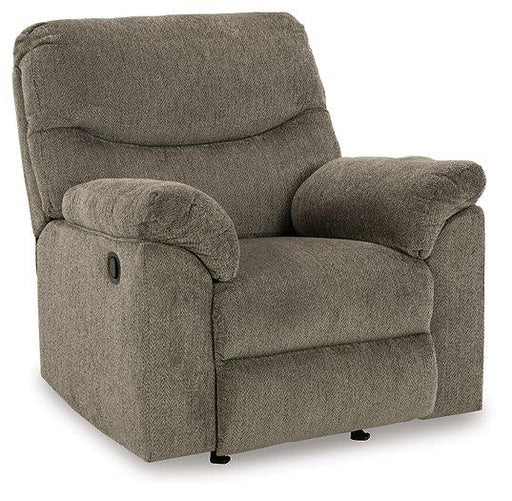
Before browsing showrooms or scrolling through product pages, take a moment to picture how you’ll actually use your reclining furniture. Your daily and weekly habits should drive every decision that follows.
Common relaxation goals include:
-
Evening TV sessions lasting 1–3 hours
-
Sunday afternoon naps
-
Back-pain relief after desk work
-
Post-workout recovery
-
Nursing or soothing a baby
-
Creating a home theater zone for family rooms
Each goal influences your choice differently. Deep full recline and adjustable headrests matter most for napping. Firmer lumbar support helps those seeking back-pain relief. Performance fabrics resist stains for households with kids or pets. Quiet mechanisms keep late-night use from disturbing others.
Picture a specific evening, say, a Friday night in 2026, and imagine settling into your recliner for a two-hour series marathon. How do you want to sit? What position relieves tension? This mental picture will guide your decisions on type, fit, and features.
Once you know how you’ll relax, the next step is choosing reclining furniture that fits your body just as well as your room.
Choose the Right Type of Reclining Furniture
Reclining furniture comes in several formats, and comfort depends heavily on matching the type to your household size and habits. Not all recliners serve the same purpose, so understanding your options is essential.
Single recliners work best for personal corners, home offices, or bedrooms. They’re ideal when one person will use the chair most of the time. Compact at 32–38 inches wide, they offer intimate ergonomic support without taking over a living space. Single recliners are especially suitable for limited space, and models with wall-hugger mechanisms are perfect for small rooms where you need to maximize every inch.
Reclining loveseats and sofas combine 2–3 seats with independent reclining mechanisms. They’re better for couples and small families who relax together most evenings. Dual mechanisms allow one person to recline fully while the other sits upright, no compromise needed.
Reclining sectionals feature modular pieces that can include chaises and multiple reclining seats. These are ideal for large rooms and households that frequently host guests or movie nights. A U-shaped configuration can accommodate 4–7 users, though they require significant floor space. Oversized recliners or sectionals require more space, so they are best suited for rooms with ample floor area.
Modular and adaptable recliners and sectionals are especially valuable in multi-use spaces, where living areas serve multiple functions such as socializing, relaxing, and working. These flexible furniture options can be easily reconfigured to suit different activities, enhancing the versatility of your home.
Match the type to your routine:
-
A couple watching a two-hour series every evening may prefer a reclining loveseat
-
A family with three kids benefits from a sectional with built-in cup holders
-
Someone who unwinds alone after work might choose a single power lift recliner
Recliners come in several styles, each designed to offer a specific kind of comfort. Glider recliners provide a soothing experience with a gentle rocking motion. High-leg recliners elevate the chair for a modern, sophisticated feel while still providing excellent reclining comfort. Manual recliners use a lever or push-back mechanism to recline, providing a classic feel and often coming at a more budget-friendly price point. Power recliners allow you to recline effortlessly with the push of a button, often featuring power headrests and lumbar support. Swivel recliners offer the added feature of rotation, making them great for social or multi-use spaces. Two-position recliners have only two positions: upright or completely reclined. Push-back recliners recline with just a push from your back and typically do not come with a footrest. Rocker recliners can flatten out and also rock when upright, making them a good choice for soothing motions. Wall-hugger recliners require only a few inches of clearance from the wall when fully reclined, making them ideal for limited spaces. Massage recliners provide kneading and vibrating functions to help relax the body. Power lift recliners assist individuals in standing up by lifting the chair upward, making them ideal for those with mobility issues.
Fit and Ergonomics: Match the Recliner to Your Body
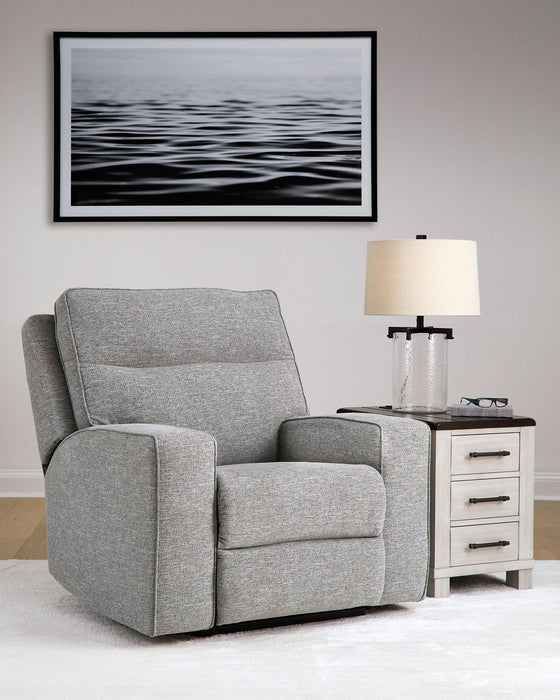
Long-term comfort depends more on fit and ergonomic support than on how soft the recliner feels during a quick showroom test. A chair that seems plush for thirty seconds may cause discomfort after an hour.
Seat height basics: Your feet should rest flat on the floor when sitting upright. General guidelines by body type:
|
Body Type |
Recommended Seat Height |
|---|---|
|
Petite (under 5’4”) |
17–21 inches |
|
Average (5’4”–6’) |
19–22 inches |
|
Tall (over 6’) |
21–24 inches |
Seat depth matters too. Thighs should be fully supported with 1–3 inches of space behind the knees. Petite users typically need about 19–20 inches of depth, average builds do well with 20–22 inches, and taller users benefit from 22–24 inches.
Seat width should allow comfortable sitting without squeezed shoulders, while arms should rest naturally at 7–9 inches high for elbow stability. Test in-store for at least 10 minutes in your usual posture, paying attention to pressure on your lower back, neck, and calves.
Lumbar and Back Support
Good lumbar support maintains the spine’s natural S-curve, helping reduce lower-back fatigue after an hour of sitting. Orthopedic research suggests maintaining a 30–40 degree lordotic angle in semi-recline prevents the disc compression that causes most chronic back pain.
Look for built-in lumbar bulges or adjustable lumbar sections. Avoid models where you immediately feel the need to add a pillow behind your back. A simple test: when reclined slightly, your back should feel “open” and lighter without constant shifting.
People who work desk jobs all day often benefit from firmer lumbar support, while occasional users may prefer slightly softer cushioning. The ideal recliner keeps you comfortable without effort.
Head, Neck, and Leg Comfort
Adjustable headrests allow multiple users in the same household, say, a 5’4” and 6’1” adult, to sit without neck strain. In a reclined TV-watching position, the head should be supported without tipping forward. Hold a remote or book while testing to notice whether your neck feels tense.
For leg and foot support, check that the heel, calf, and knee area all rest on the footrest when fully reclined. No sharp edge should press into your ankles. People prone to leg swelling may prefer recliners that elevate feet close to heart level, which can improve circulation significantly.
Understand Mechanisms: Manual vs. Power and Key Styles
How smoothly and quietly the mechanism works directly affects your experience. The right mechanism lets you recline effortlessly into your ideal position without wrestling with levers or waiting for slow motors.
Manual recliners use lever or push-back systems that don’t require power. They’re usually more affordable, simpler to maintain, and work well in rooms without easy electrical outlets. Manual lever operation typically requires 15–25 pounds of force, suitable for active users.
Power recliners use motors for fine control over backrest, footrest, and sometimes headrest positions. They’re easier for people with mobility issues or limited strength. Motor-driven adjustments take 10–20 seconds and operate quietly under 45 decibels. However, they cost 50–100% more and require nearby outlets.
Common styles include:
-
Rocker recliners: Add gentle motion for vestibular soothing, popular in nurseries
-
Swivel recliners: Rotate 270–360 degrees, ideal for open-plan rooms
-
Wall-hugger designs: Move forward instead of back, needing only 4–6 inches of wall clearance
Choose manual recliners for occasional-use rooms or tight budgets. Power models suit primary living rooms or users who recline daily for longer periods.
Space-Saving and Special-Use Recliners
Wall-hugger recliners need just a few inches behind them to recline fully. They’re ideal for apartments, smaller rooms, or spaces where a walkway runs behind the seating. Engineering pivots the seat forward during recline rather than pushing backward.
Lift recliners (also called power lift recliners) raise the seat to help users stand up more easily. The mechanism uses hydraulic pistons to elevate seats by 45–60 degrees. These are especially useful for older adults or anyone recovering from surgery who wants independence and safety.
Lay-flat models recline to 160–170 degrees, suitable for people who like to nap or rest for an hour or two. Zero gravity positions can reduce spinal disc pressure by 65–75% compared to standard recline by elevating legs above hip level.
Any special-use mechanism should still pass the same comfort and fit tests as standard recliners. Motorized features shouldn’t compromise ergonomic design.
Materials and Upholstery: How the Recliner Feels and Wears
Recliner upholstery affects temperature, maintenance, and long-term comfort as much as visual style. The right upholstery materials match your household’s reality.
Fabric options:
-
Woven fabrics (cotton blends, chenille, microfiber): Soft and breathable, but may attract pet hair
-
Performance fabrics (polyester-nylon blends): Resist stains and fading with nano-coatings that block most spills; ideal for family rooms
Leather recliners and alternatives:
-
Top-grain leather: Regulates temperature naturally, develops patina over time, but shows scratches
-
Faux leather: Budget-friendly and easy to wipe clean, but may crack after 5–7 years under UV exposure
Match material to your household. Performance fabrics work well for busy homes with kids or pets. Leather or faux leather suits spaces where food and drinks are common.
Touch and sit on sample swatches when possible. Check for scratchiness, slipperiness, or heat build-up after a few minutes of sitting.

Cushion Density and “Sink-In” Level
Cushions should feel welcoming without “bottoming out” after months of use. High-density foam (2.5–3.0 lbs/ft³) rebounds 90% within seconds, while low-density foam can sag 20–30% after 500 cycles.
Test by sitting and standing several times. Good cushions spring back quickly without deep, stubborn impressions. Firmer seats typically hold up better for everyday use, while very plush seats may feel cozy initially but lose support faster.
When shopping, ask about foam density or cushion construction. Aim for quality materials that handle years of daily sitting. Research suggests 35 ILD firmness balances initial comfort with lasting support for sessions of 1–3 hours.
Customizable Comfort: Personalizing Your Reclining Experience
When it comes to achieving ultimate comfort in your living space, customizable comfort is what truly sets the best recliners apart. With so many types of recliners available, finding the perfect recliner chair means considering how each option can be tailored to your unique needs and preferences. Power recliners, for example, feature advanced reclining mechanisms that let you recline effortlessly at the touch of a button, allowing you to fine-tune your position for personalized comfort. For those who prefer a more classic approach, manual recliners offer gentle motion and simple controls, making it easy to relax in your favorite spot.
The ideal recliner should provide exceptional lumbar support and adjustable headrests, ensuring your back and neck are properly supported whether you’re watching TV, reading, or taking a nap. Many recliners offer additional adjustable features, such as customizable footrests and armrests, so you can create the perfect setup for maximum comfort. Lift recliners, including power lift recliners, are especially helpful for individuals with mobility issues, providing a gentle boost to help you stand up or sit down with ease.
Recliner upholstery is another key factor in personalizing your experience. Leather recliners bring a touch of luxury and are easy to maintain, while faux leather offers a budget-friendly alternative with a similar look. Performance fabrics are ideal for busy households, resisting stains and wear while maintaining a soft, inviting feel. Mid-range recliners often strike the right balance between quality and affordability, offering durable construction and customizable comfort without stretching your budget.
When choosing the right recliner, it’s important to consider your room layout and existing furniture. Make sure there’s enough room for the chair to be fully reclined, and that wall clearance is adequate, especially in smaller rooms or spaces with limited space. Many recliners are designed with compact footprints or wall-hugging mechanisms, making them a great fit even when space is at a premium.
Extra features can further enhance your relaxation. Many recliners offer USB ports for charging devices, cup holders for convenience, and storage pockets to keep essentials within reach. These thoughtful touches make it easy to unwind and enjoy your living room or family room to the fullest.
Ultimately, the best recliners are those that offer customizable comfort, allowing you to adjust and personalize your seating experience for relaxation that fits your lifestyle. By considering key factors like reclining mechanisms, upholstery materials, adjustable features, and room fit, you can find the perfect recliner chair that delivers maximum comfort and style for years to come.
Match Your Reclining Furniture to the Room
Even the most comfortable recliner feels wrong if it overwhelms the room, blocks doors, or forces people to squeeze past footrests. Room size matters as much as the chair itself.
Measure in both positions. A typical recliner seat measures about 34×40 inches upright but expands to 34×65 inches when fully extended. Plan for:
-
Wall clearance behind (3–5 inches for wall-huggers, 12–18 inches for traditional)
-
20–24 inches of clearance in front of the footrest
-
Walkways at least 30 inches wide
Use painter’s tape on the floor to mark the footprint in upright and reclined positions before purchasing. This simple step reveals whether you have enough room.
Plan for other furniture too. A floor lamp or side table should be reachable from the reclined position without twisting. Storage for remotes should sit within arm’s reach.

Single Recliner, Pair, or Full Reclining Set?
A single statement recliner works well as a reading chair or dedicated relaxation corner, especially in smaller rooms or bedrooms. Position it near existing furniture without crowding the space.
Two matching recliners facing a shared table or fireplace create a conversation area. This setup works for couples who like symmetrical seating with personalized comfort settings.
Reclining sofas or sectionals anchor main living rooms, providing multiple reclining spots. This eliminates “fighting over the good seat” scenarios during family movie nights. Studies show families report significantly fewer seating disputes with modular setups.
Consider daily routines: one person unwinding alone, a couple watching a series, or groups gathering for sports nights. Your habits determine whether you need one recliner or many recliners.
Comfort Features and Technology: Decide What You’ll Really Use
Modern recliners offer extra features from simple cup holders to heating and massage. True customizable comfort comes from choosing features that match actual habits, not loading up on every gadget.
Useful everyday features:
-
USB ports (2.4A output) for charging devices during marathons
-
Storage pockets for remotes and magazines
-
Cup holders or console storage between seats
Wellness-oriented features:
-
Gentle heating (reaching around 104°F) for muscle relaxation
-
Targeted lumbar support adjustments
-
Soft massage programs (4-node systems at 20–40 Hz)
Prioritize quiet operation. Motors or footrests louder than 50 decibels can disrupt naps. Linear actuators typically run quieter than rotary mechanisms.
Choose 2–3 key features rather than every add-on. This controls costs and reduces potential maintenance issues. Many recliners offer packages that bundle the most-wanted extras.
Manual Controls, Buttons, and App Features
Classic levers and pull-tabs work differently when sitting versus standing. Push-back seats require body pressure to recline. Test each style to find what feels natural.
Power controls vary: side-mounted buttons, small arm panels, or wand-style remotes. Ensure controls remain reachable from a fully reclined position. Some newer models include app-based controls or memory presets storing 2–4 positions.
Consider whether you’ll actually use smart features or prefer simple, intuitive buttons. Battery-powered remotes may need replacement every 6–12 months.
For power models, think about cord placement and outlet access. Recliners positioned away from walls or in room centers may need extension cords; plan accordingly.
Quality, Durability, and Budget Planning
A recliner that loses support or squeaks after a year won’t deliver ultimate comfort, regardless of how it felt on day one. Durability directly affects long-term satisfaction.
Key build elements to check:
-
Kiln-dried hardwood or reinforced metal frames (tested to high static loads)
-
16-gauge steel mechanisms rated for 20,000+ cycles
-
Quality stitching on upholstery
-
Weight capacity matching your needs (standard: 300–350 lbs; heavy-duty: 400–500 lbs)
Realistic 2026 price ranges:
|
Category |
Typical Price Range |
|---|---|
|
Basic manual recliners |
$400–$900 |
|
Mid-range recliners and reclining sofas |
$800–$1,800 |
|
Power recliners |
$1,200–$2,500 |
|
Premium power models |
$2,000–$4,000 |
|
Sectionals (entry to loaded) |
$3,000–$12,000 |
Set a budget range first, then decide which 2–3 elements matter most. Compromise on less important items if needed. A well-built recliner lasting 10–15 years often delivers better value than replacing a cheaper piece every few years.
In-Store and At-Home Testing Tips
In-store checklist:
-
Sit for at least 10–15 minutes
-
Change positions several times
-
Test recline motion and noise level
-
Check the ease of returning to the upright
-
Notice any pressure points
For online shoppers:
-
Read dimensions carefully and compare to existing furniture that fits well
-
Study photos from multiple angles (upright, side, recline, top-down)
-
Read recent reviews mentioning comfort and build quality
-
Look for 10%+ complaints about sagging as a warning sign
Check return policies and delivery details, especially for larger sectionals requiring careful placement. White-glove delivery and 30–100 day trials mitigate the risks of buying without testing.
Taking time to test now pays off in years of effortless comfort and better relaxation at home.
Finding the Perfect Recliner
Finding the perfect recliner is all about balancing comfort, support, and style to create a relaxing haven in your living room. With so many types of recliners available, ranging from power recliners and manual recliners to innovative power lift recliners, it’s important to consider what features matter most for your ultimate comfort.
Start by thinking about the key factors that will make your ideal recliner stand out. A smooth, quiet reclining mechanism is essential for effortless comfort, allowing you to recline fully and relax without interruption. Look for chairs with adjustable headrests and built-in lumbar support to ensure personalized comfort, especially if you plan to spend long hours reading, watching TV, or simply unwinding.
Upholstery materials play a big role in both the look and feel of your recliner. Leather recliners offer a classic, luxurious touch and are easy to maintain, while faux leather provides a budget-friendly alternative with a similar appearance. Performance fabrics are a smart choice for busy households, resisting stains and wear while maintaining a soft, inviting feel. Choose the material that best fits your lifestyle and maintenance preferences.
Room layout is another crucial consideration. Before making a decision, measure your living space to ensure there’s enough room for your new chair to recline fully without bumping into other furniture or blocking walkways. For smaller rooms, wall-hugger recliners or compact designs can help you maximize space without sacrificing comfort. Always check the wall clearance and make sure your recliner will fit seamlessly with your existing furniture.
Style is just as important as function. Recliners come in a wide range of designs, from sleek and modern to cozy and traditional. Select a recliner that complements your existing décor, paying attention to color, texture, and pattern to create a harmonious living space.
Don’t overlook extra features that can enhance your relaxation experience. Many recliners now offer USB ports for charging devices, cup holders for convenience, and customizable comfort options like massage or heating functions. These thoughtful additions can make your recliner the most coveted seat in the house.
Ultimately, finding the perfect recliner means considering all these key factors: comfort, support, style, and functionality, while keeping your personal preferences and room layout in mind. Take the time to research and compare different models, and you’ll discover the ideal recliner that brings years of relaxation and enjoyment to your home. Whether you’re drawn to a power lift recliner for added mobility, a swivel recliner for versatility, or a classic manual recliner for simplicity, the right chair is out there waiting to transform your living space.
Best Recliners for Comfort
Finding the best recliners for comfort means looking beyond appearances and focusing on features that deliver personalized comfort and support. The perfect recliner chair should offer excellent lumbar support to maintain healthy posture and relieve tension, especially during long periods of sitting. Ergonomic design is key; look for chairs that contour to your body and provide adjustable features like headrests, footrests, and reclining angles for maximum comfort.
Leather recliners are a popular choice for those seeking a touch of luxury and easy maintenance, while lift recliners (or power lift recliners) are invaluable for individuals with mobility issues, providing gentle assistance when standing up or sitting down. Mid-range recliners often strike the best balance between quality and affordability, offering durable construction and customizable comfort without breaking the bank.
With so many types of recliners available, from classic manual models to advanced power recliners with motorized features, it’s important to consider your specific needs and preferences. Whether you prioritize a supportive chair for back health, a stylish leather recliner for your living room, or a power lift recliner for added independence, exploring different options will help you discover the perfect recliner that fits your lifestyle and delivers the ultimate in relaxation.
Bringing It All Together
The most comfortable reclining furniture balances body fit, room fit, and lifestyle needs, not just looks or extra gadgets. The best recliners support your specific relaxation goals while working within your space and budget.
Follow this sequence: define your relaxation goals, choose the right type and size, verify ergonomic support for your body type, match materials to household realities, and then layer on helpful adjustable features within budget. This approach leads to maximum comfort that lasts for years.
Treat your next recliner or reclining sofa as a long-term investment in your well-being. The right recliner supports better posture, calmer evenings, and a more enjoyable time at home. Use this guide as a checklist while shopping, whether visiting local stores this week or comparing options online. Your future self, settled into the perfect position after a long day, will thank you.
Shop Recliner Furniture at Delta Mattress & Sofa Outlet Today

Relax in comfort with recliner furniture at Delta Mattress & Sofa Outlet today and create a living room that’s perfect for resting, watching TV, or spending time with family. Recliners are designed for comfort and support, making them a great choice for everyday use while still adding style and function to your space. With different styles and features available, it’s easy to find recliner furniture that fits your home and your comfort needs.
Now is the perfect time to upgrade your seating and add more comfort to your home. Shop recliner furniture at Delta Mattress & Sofa Outlet now and create a space where you can sit back, relax, and enjoy your home even more every day.