
How to Choose Dining Furniture That Supports Everyday Dining

The dining room table in most homes isn’t just for Sunday dinners anymore. It’s where kids tackle homework after school, where you answer emails with your morning coffee, and where weekend game nights unfold. Modern dining furniture needs to handle all of this: daily family meals, remote work sessions, craft projects, and the occasional dinner party, without falling apart or looking worn after a year.
This guide walks you through choosing a dining table, dining chairs, and supporting pieces that combine style with serious everyday durability. You’ll learn how to measure your dining space correctly, pick materials that handle frequent cleaning and heavy use, and select chairs that stay comfortable through long dinners and late-night board games. The goal isn’t a museum-quality dining room that nobody dares touch. It’s a functional centerpiece for your daily life that still looks great when guests arrive.
Define How Your Dining Space Works Day to Day
Before you browse a single dining room furniture collection, you need an honest picture of how your household actually uses the dining area. Usage patterns drive every other decision, from materials and finishes to budget and table size. A table that’s perfect for monthly entertaining will fail miserably under daily abuse from a busy family.
Think about your typical week and identify which profile fits your home:
Light use means the dining room table hosts maybe one or two meals weekly, plus occasional entertaining. The table stays clear most days, perhaps holding a decorative centerpiece. For this profile, you have flexibility with materials, even more delicate finishes, and lighter chairs can work well since they won’t face constant wear.
Regular use describes homes where daily dinners happen at the table, and kids spread out homework or crafts a few evenings each week. This is where most families land. You’ll want surfaces that resist stains and scratches, chairs with sturdy frames, and upholstery that can handle spot cleaning without fading.
Heavy use covers households where the dining set earns its keep at breakfast and dinner every single day, doubles as a workspace three or more days weekly, and sees weekend craft sessions or board games. If this sounds familiar, prioritize tough factory finishes, performance fabrics on upholstered seats, and materials like ceramic or solid wood that can take years of wiping, bumping, and general life.
Your living situation matters too. Small apartments with open-plan layouts often push the dining table to serve multiple roles: workspace, homework station, and eating spot, all in limited floor space. A separate dining room used mainly for special occasions can lean toward lighter-duty pieces. Be realistic about your actual habits, not your aspirational ones.
Measure First: Sizing and Layout for Everyday Comfort
Skipping proper measurements leads to daily frustration: bumped knees every time someone sits down, walls scraped by chair backs, and cramped walkways that make passing serving dishes feel like an obstacle course. Getting dimensions right up front prevents these problems.
Here are the clearance numbers that matter:
-
90–110 cm (35–43 inches) between the table edge and walls or other furniture for comfortable circulation. This allows people to push chairs back and walk behind seated diners without squeezing.
-
60–70 cm (23–28 inches) of table edge per person for adequate elbow room. Cramming eight people around a table sized for six leads to uncomfortable everyday meals and knocked elbows.
-
Standard table height: 72–76 cm (28–30 inches). Most dining tables fall in this range.
-
Ideal seat height: 43–48 cm (17–19 inches). This creates proper spacing between the chair seat and tabletop for comfortable seating.
To measure your room carefully, follow these steps:
-
Measure the room’s length and width, then subtract the required clearances from each dimension to find your maximum table size.
-
Use painter’s tape or newspaper on the floor to mark where the table would sit. Walk around this mock footprint with chairs pulled out to test whether traffic flow actually works.
-
Check ceiling height if you’re considering pendant lighting; standard dining pendants hang 75–90 cm above the tabletop.
For narrow rooms, consider benches on one side to reduce the depth needed for a chair pull-out. Slim side chairs with minimal frames also help. Avoid bulky pedestal bases that eat into legroom. In open-plan spaces, orient the table parallel to windows or along the longest sightline to make the dining area feel intentional rather than crammed in.

Choosing a Dining Table That Works Hard Every Day
The dining table is the hardest-working surface in most homes. It needs to handle hot casserole dishes, art projects with markers and glue, laptop work sessions, and the inevitable wine spill during intimate dinners. Choose for function first, then find something that looks good within those constraints.
Table shape should follow your room’s proportions and your household size:
-
Rectangular tables suit long rooms and families of four to eight. They’re versatile; you can push one end against a wall for daily use and pull it out for large gatherings. Most dining room furniture falls into this category for good reason.
-
Round tables work beautifully in square rooms and small apartments. Everyone can see everyone else, which encourages conversation during everyday meals. The lack of corner legs makes them safer for homes with small children and easier to navigate in tight spaces.
-
Oval tables offer a compromise for narrow rooms where you want rounded edges but need the seating capacity of a rectangular table. They feel softer visually while still accommodating six or more.
-
Square tables fit compact, nearly square rooms or breakfast nooks. They typically seat two to four people comfortably and create an intimate setting for daily family meals.
For everyday-friendly features, prioritize:
-
Extendable tables with butterfly or pull-out leaves if you host guests four to ten times yearly. These let you keep a space-efficient everyday size while expanding for dinner parties.
-
Pedestal bases or trestle designs to maximize seating by freeing up legroom, with no corner legs to bump knees against. This matters when you need to squeeze in extra chairs.
-
Adequate overhangs that allow comfortable knee space. Super-thick aprons or table edge designs that sit low can make sitting uncomfortable, especially for taller family members.
A quick capacity guide: a 150–180 cm (59–71 inch) rectangular table usually seats six comfortably. A 120 cm (47 inch) round table handles four. Add roughly 60 cm of length per additional person you need to seat.
Selecting Durable Table Materials and Finishes for Daily Use
Material and finish determine whether your dining room table looks great after five years of daily use or develops a patina of scratches, water rings, and heat damage. For households where the table serves everyday meals plus additional functions, this choice matters enormously.
Here’s what to know about common materials:
-
Solid wood (oak, ash, maple, rubberwood, acacia): Warm, natural, and repairable. A well-built, solid wood table can last 10–20 years with basic care. Minor scratches can be sanded out, and the surface can be refinished. The tradeoff: you’ll want coasters under hot mugs and should wipe spills promptly.
-
Quality wood veneer on engineered core: More stable than solid wood and less prone to warping in fluctuating humidity. Modern wood veneer is thin and durable when properly applied. Watch for thick veneer, which can peel over time. Protect edges from chipping.
-
Ceramic or sintered stone tops: Extremely resistant to heat, stains, and scratches, you can set a hot pan directly on them. The cool feel and heavier weight suit modern aesthetics. Typically, a higher price point, but excellent for heavy-use households.
-
Tempered glass: Visually lightweight and easy to wipe clean. However, it shows fingerprints constantly, can feel cold, and the hard surface amplifies noise from plates and glasses. Better for light-use dining setups.
-
Laminate or high-pressure laminate: Budget-friendly, consistent appearance, and easy to clean. Lacks the natural variation and warmth of real wood tones but performs well under daily use.
For finishes, matte or satin options hide fingerprints and micro-scratches better than high-gloss surfaces. Look for tough factory lacquers or oil-wax systems that can handle frequent cleaning with mild soap and water. If you have young children, avoid very soft or unsealed surfaces that stain easily.
Color and grain matter for everyday practicality, too. Mid-toned woods and lightly textured surfaces hide crumbs, smears, and minor wear far better than very dark finishes or high-gloss tops that show every speck.
Dining Chairs That Support Everyday Comfort and Wear
People spend more cumulative time in dining chairs than at the table’s surface, sitting through everyday meals, lingering over coffee, helping with homework, or settling in for long conversations. Seating comfort directly affects whether your dining space becomes the welcoming atmosphere you want or a place people avoid.
Get these ergonomic basics right:
-
Seat height: Approximately 25–30 cm (10–12 inches) lower than the tabletop. This places the arms at a natural angle for eating and working.
-
Seat depth: Generally 40–45 cm (16–18 inches), allowing most adults to sit back comfortably without knees dangling or feeling perched on the edge.
-
Backrest height: Around mid-shoulder height provides support for longer sitting periods. Lower backs create a casual, café-style feel but offer less support during extended use.
Different chair styles suit different households:
-
Fully upholstered chairs deliver excellent comfort for long dinners and daily use. However, they need performance fabrics or removable covers in homes with frequent spills. Great for homes prioritizing seating comfort above all else.
-
Wood or molded chairs with seat pads balance comfort with practicality. The hard surfaces wipe down easily, and cushion covers can be washed or replaced. Ideal for families with young children.
-
Benches maximize seating along walls or in narrow rooms. They’re practical for flexible seating arrangements, but don’t give everyone individual space. Consider benches for one side of the table, with comfortable chairs opposite.
Before buying, test chairs properly. Sit for at least five to ten minutes if possible; what feels fine for thirty seconds might become uncomfortable over a meal. Check for wobbles, creaks, and whether the chair supports you when you lean back slightly. Unstable chairs won’t improve with time.
Chair Frames, Fabrics, and Surfaces That Handle Daily Wear
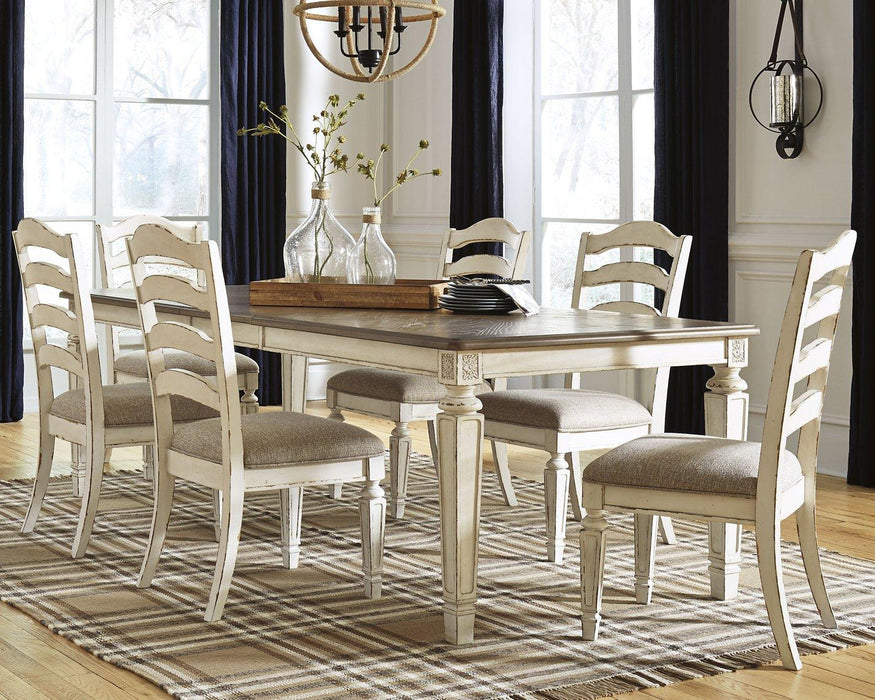
Chair frames and fabrics show wear faster than tables because chairs get pulled in and out multiple times daily, leaned on, climbed by children, and subjected to constant stress at joints. Choosing the right dining chairs means thinking about construction and surfaces that handle this reality.
Frame construction determines longevity:
-
Solid wood frames with quality joints, such as mortise-and-tenon or well-secured corner blocks, offer warmth and excellent durability. These traditional techniques distribute stress effectively across the chair structure, supporting years of heavy use.
-
Metal frames with secure welds or bolts provide slim, modern profiles with inherent strength. They work well in contemporary dining room design and resist the wobbling that plagues cheaper wood alternatives.
-
Avoid very lightweight, flimsy frames if you have children who climb on furniture or adults who lean back heavily. The money saved isn’t worth replacing chairs every few years.
Upholstery and surfaces need to match your household’s mess profile:
-
Performance fabrics with built-in stain resistance and high abrasion ratings suit family homes and pet owners. These textiles resist spills and clean up easily without sacrificing comfort or appearance.
-
Removable, washable covers work well for light-colored upholstery in heavy-use settings. When the inevitable tomato sauce incident happens, you can toss covers in the wash rather than replace the chair.
-
Faux leather or wipeable surfaces offer the easiest cleanup after frequent spills, just wipe and go. Modern options look surprisingly good and avoid the maintenance demands of real leather.
Keep chairs performing well with simple maintenance: vacuum upholstered seats weekly in heavy-use dining areas to prevent dirt from grinding into fabric. Tighten bolts and screws every few months to prevent the wobbling that leads to joint failure.
Smart Storage and Surfaces That Support Everyday Dining
Sideboards, buffets, and storage pieces transform daily dining from chaotic to smooth by keeping essentials within arm’s reach. When placemats, napkins, and serving dishes have designated homes near the table, setting up for everyday meals takes seconds rather than minutes.
Common storage options and their everyday uses:
-
Sideboards and buffets store plates, cutlery, linens, and board games while providing an extra serving surface for weeknight dinners or weekend brunches. The flat top also works as a staging area for school projects and craft supplies.
-
Tall cabinets or hutches suit compact dining areas where vertical storage maximizes limited floor space. Upper shelves handle items used less frequently, while lower sections keep daily items accessible.
-
Benches with lift-up seats or built-in drawers combine flexible seating with hidden storage for table linens, seasonal items, or craft supplies. These work particularly well in breakfast nooks or narrow rooms where every piece needs to earn its space.
Practical spacing matters: maintain at least 90 cm (36 inches) between the table edge and the front of storage units so doors and drawers can open without blocking chairs or requiring furniture rearrangement.
Organizing for everyday life:
-
Keep everyday items, plates, glasses, and napkins at waist to shoulder height for easy access during meal setup and cleanup.
-
Reserve high shelves and less accessible storage for special occasion items, seasonal dishes, and things used only during dinner parties.
-
Consider drawer dividers or organizers to keep serving utensils, candles, and table accessories sorted and findable.
Layout, Flow, and Multi-Use Living
Daily dining becomes easier when your layout allows people to move freely, pass serving dishes without stretching, and transition between activities, eating, working, and playing without constantly rearranging furniture. Good flow turns the dining area into a space people actually want to use.
Clear layout guidelines:
-
Keep 90–120 cm (36–47 inches) of open space around the table for pushing chairs back and walking behind seated people. Less than this, and everyday movement becomes frustrating.
-
In narrow rooms, place the table parallel to the longest wall. Consider a bench on the wall side to reduce clearance needs, with side chairs on the open side where more space exists.
-
In open-plan spaces, position the table under the main pendant light to anchor the dining zone. Use a rug slightly larger than the table footprint or a sideboard to visually define where dining happens within the larger room.
-
For rectangular rooms, a rectangular or oval table usually fits best. Square rooms handle round tables or square tables well.
Accommodating multiple everyday functions:
-
If you regularly work from the dining table, place storage for laptops, chargers, and papers within easy reach so setup and cleanup are quick. A nearby cabinet or drawer in the sideboard works well.
-
Maintain at least one clear surface, console, sideboard top, or shelf, where mail, bags, and daily clutter can land so the table stays ready for meals.
-
Position ample space between the dining area and kitchen for easy serving flow, especially if you carry hot dishes regularly.
For families with children or older adults:
-
Round tables and oval tables with rounded corners minimize injury risk from sharp edges.
-
Ensure clear paths to doors, the kitchen, and bathrooms without squeezing between chairs and walls.
-
Avoid layouts where chairs back directly into high-traffic paths.

Easy Cleaning and Maintenance Routines
Material choice only matters if you actually maintain it. Every day dining furniture stays looking good for years when cleaning becomes a habit rather than a special project. Build simple routines around your material choices.
Basic care habits for all dining furniture:
-
Wipe tables with a soft, damp cloth and mild soap after meals. This takes thirty seconds and prevents buildup.
-
Address colored spills, wine, tomato sauce, and markers immediately. The longer they sit, the more likely they’ll stain even resistant surfaces.
-
Use trivets or heat pads under pots, pans, and hot dishes straight from the stove or oven. Even heat-resistant materials benefit from protection.
-
Add felt pads to chair legs and table feet to protect the flooring and reduce the scraping noise that drives everyone crazy during everyday meals.
Material-specific maintenance:
-
Wood tables: Apply oil or polish as recommended by the manufacturer, typically every few months to once yearly. Avoid soaking water or harsh chemicals that damage finishes. Wipe up liquids promptly.
-
Ceramic or sintered stone: Use non-abrasive cleaners to avoid dulling the surface over time. These materials resist stains well but still benefit from prompt wipe-ups to prevent buildup.
-
Upholstered seats: Blot spills immediately, never rub, which pushes liquid deeper into the fabric. Follow fabric care codes for cleaning solutions. Performance fabrics make this easier, but all upholstery benefits from yearly professional deep cleaning in heavy-use homes.
-
Wood veneer: Treat similarly to solid wood, but be gentler near edges where chipping can occur. Avoid abrasive sponges.
Consistent, light maintenance prevents the intensive repairs or replacements that become necessary when furniture is neglected. A few minutes daily keeps your dining set looking good through years of regular use.
Balancing Style, Budget, and Everyday Value
Dining furniture is a medium- to long-term investment. You’ll sit at this table for thousands of meals over the coming years, so cost decisions should account for expected lifespan and frequency of daily wear rather than just initial price.
Concrete budgeting priorities:
Invest more in the dining table and your main set of four to six chairs; these pieces face constant use and need to perform well every single day. A wobbly chair or a table surface that scratches easily will frustrate you repeatedly for years.
Save money on supporting pieces: simpler sideboards, extra accent chairs for occasional seating, and decorative items. These can be upgraded or replaced later as the budget allows, without affecting daily function.
Lifespan expectations with proper care:
-
A solid, well-built dining room table can easily last 10–20 years of daily use. Quality construction and durable materials justify a higher initial investment.
-
Dining chairs in performance fabric or durable finishes handle daily wear for many years if maintained, expect 7–15 years depending on use intensity.
-
Storage pieces see less wear and often last even longer than the table itself.
Getting more value:
-
Choose neutral tones and timeless silhouettes for core pieces. Update style through lighting, textiles, artwork, and natural light adjustments rather than replacing furniture when trends shift.
-
Mix materials thoughtfully; a warm wood table with fabric or leather-look chairs avoids the “furniture showroom” look while combining the durability benefits of different surfaces.
-
Watch for sales on floor models or previous season styles from quality manufacturers. Construction quality matters more than being the newest design.
Putting It All Together: Everyday-Ready Furniture Setups
Here are practical combinations that tie together size, material, and layout guidance for common living situations. Use these as starting points, then adapt to your specific room measurements and household habits.
Small apartment for two to four people: A 100–120 cm round or square pedestal table works beautifully in tight spaces, allowing flexible seating without corner legs blocking knees. Pair it with four slim chairs, either molded plastic with cushions or lightly upholstered seats in performance fabric. Add a compact sideboard along one wall for dishes and linens, and define the dining zone with a neutral rug extending about 60 cm beyond the table on all sides. This setup handles daily dinners, weekend brunches, and occasional laptop work while maintaining enough space for comfortable movement in small spaces.
Busy family home with four to six people: A 160–200 cm rectangular extendable table in solid wood or quality veneer with a durable factory finish anchors the space. Choose six supportive dining chairs, wood frames with upholstered seats in performance fabrics resist the inevitable spills while staying comfortable through long family dinners. A long sideboard provides storage for everyday dishes, placemats, and the board games that come out on weekends. The extendable table feature means you can accommodate large gatherings when relatives visit without sacrificing everyday proportion.
Open-plan live/work space: When the dining table doubles as a desk several days weekly, durability becomes critical. A rectangular ceramic or high-quality laminate-topped table handles both hot coffee mugs and laptop work without damage. Choose ergonomic chairs that support comfortable seating through long work sessions and dinner alike, look for good lumbar support and appropriate seat height. Position a cabinet nearby for laptops, papers, and work supplies so the table can transition quickly between functions. Ensure generous clearance around the table for movement, and use pendant lighting to visually anchor the dining experience within the larger room.
Each of these setups prioritizes materials and configurations that support everyday use, homework, meals, crafts, and weekend entertaining, rather than optimizing only for appearance or special occasions.
Key Takeaways for Choosing Dining Furniture That Supports Everyday Dining
-
Start with how you really use your dining space day to day, not just during holidays. Heavy use demands tougher materials and finishes than occasional entertaining.
-
Measure the room carefully, allowing at least 90 cm clearance around the table and 60–70 cm of table edge per person for comfortable elbow room.
-
Pick table shapes and sizes that fit the room and traffic patterns first, then focus on durable materials like solid wood, ceramic, or quality veneer with protective finishes.
-
Choose the right dining chairs for comfort, stability, and realistic fabrics. Performance fabrics and sturdy chair frames make daily use sustainable.
-
Add storage and surfaces that keep everyday items close so the table stays clear and usable for both meals and other activities.
-
Plan simple cleaning and maintenance routines so furniture stays looking good under daily use without requiring intensive restoration.
-
Balance style and budget by investing in the table and main chairs, then layer in decor, lighting, and accessories over time.
When you choose dining room furniture with everyday life in mind, you create a space that works hard for your household, not just during dinner parties, but through thousands of ordinary meals, homework sessions, and family moments that happen around the table.
Get Your Dining Room Furniture at Delta Mattress & Sofa Outlet Today

Your dining room should be comfortable, practical, and ready for everyday use. At Delta Mattress & Sofa Outlet, our dining room furniture collection includes tables, chairs, and complete sets designed to fit your space and lifestyle. Each piece is selected for durability, comfort, and long-lasting value to help create a dining area that feels welcoming and functional.
Explore our dining room furniture selection today and find the perfect pieces for your home. Whether you’re updating your current dining space or furnishing a new one, Delta Mattress & Sofa Outlet offers options that combine style, practicality, and everyday comfort.