
How to Choose Outdoor Furniture That Fits Your Needs

The right outdoor furniture depends on how you actually live outside, your lifestyle patterns, local climate, and available space, not just what looks good in a catalog. A compact balcony in a windy high-rise downtown needs lightweight, stackable pieces that won’t topple over. A 12×16 ft family deck in a rainy coastal city demands weather-resistant materials like teak or powder-coated aluminum paired with quick-dry cushions. A sunny backyard in Arizona used for weekend barbecues calls for UV-stabilized furniture that won’t fade or crack after years of intense sun exposure.
This guide walks you through choosing outdoor furniture that actually gets used. You’ll learn how to define your outdoor living space purpose, measure accurately, select durable materials for your climate, prioritize comfort, plan for protection, and budget wisely. Think of it as a practical checklist that transforms vague shopping into targeted investments.

Quick Start: How to Choose Outdoor Furniture in 10 Minutes
If you want fast guidance before diving deep, here’s your rapid checklist for buying patio furniture:
-
Measure your space first. Keep at least 90 cm (3 ft) clear for main walkways and 60 cm (2 ft) between seating and low tables. Leave 3 feet on all sides of a dining table for chair clearance.
-
Decide primary use. Are you hosting guests for weekend dinners, enjoying solo morning coffee, or entertaining 8–10 friends? Define how you will use the outdoor space to guide furniture selection.
-
Match materials to the climate. Rainy coastal areas favor rust-proof aluminum or teak. Hot, dry regions need UV-resistant synthetics. Snowy winters require storable or covered hardwoods.
-
Prioritize comfort. Look for seat heights of 43–48 cm for dining, cushions at least 8–10 cm thick, and proper lumbar support.
-
Plan shade and protection. Consider umbrellas, pergolas, or furniture covers to extend lifespan.
-
Set a realistic budget. Decide which furniture pieces deserve the biggest investment based on daily use.
-
Check policies. Verify delivery options, assembly requirements, and return windows (30–100 days is standard) before purchasing.
Define How You’ll Use Your Outdoor Space
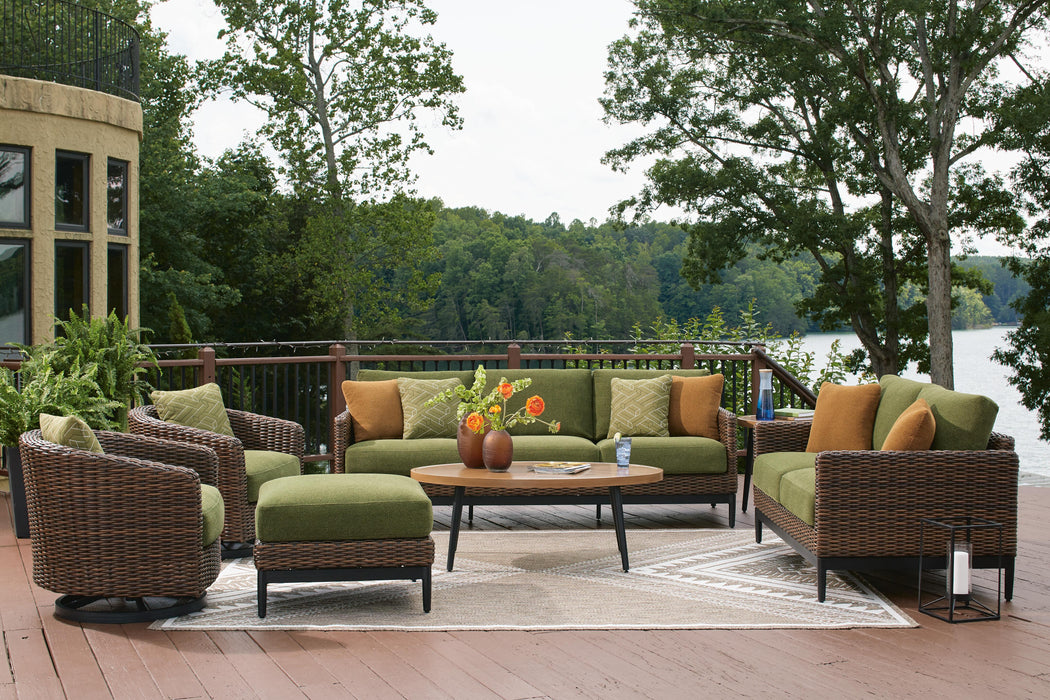
Purpose drives every other choice, such as the type of outdoor pieces you need, fabrics, layout, and size. Mismatched intent leads to furniture that sits unused. Consider these use profiles:
-
Weeknight dining: A 4–6 seat dining table (150–180 cm long), comfortable upright chairs with 45–50 cm seat depth, and ambient lighting achieving 200–300 lux for evening meals.
-
Relaxing and reading: Lounge chairs with 55–60 cm seat depth, adjustable backrests reclining to 120–135 degrees, a side table for books, and adjustable shade blocking 80–95% UV.
-
Entertaining groups: When entertaining, prioritize larger dining tables or modular sectional sofas that can be reconfigured for different group sizes. Add stools at bar height (75 cm) for flexible serving.
-
Work-from-patio: Ergonomic chair with lumbar support, desk-height table (72–76 cm), proximity to power, and full-day shade.
-
Kids and pets: Sturdy, easy-clean materials like rotomolded resin with rounded edges, washable olefin fabrics, and low profiles under 40 cm height.
Think about frequency. A family of four eating outside 3 nights weekly needs 20–30% more durable investments than a space used monthly. Sketching a rough layout of your patio or yard, including existing features like doors and planters, can help visualize how furniture will fit and ensure traffic flow isn’t blocked.

Measure Your Space and Get the Right Furniture Size
Measuring your outdoor space accurately is crucial to ensure that the furniture fits comfortably without overcrowding the area. Outdoor “rooms” benefit from clear walkways just like indoor spaces. Overcrowding can reduce perceived space by up to 30%.
Measuring tips:
-
Chart total dimensions (e.g., 8×10 ft balcony, 12×18 ft deck, 4×5 m patio)
-
Note fixed elements: doors, steps, grills, planters, posts, railings
-
For outdoor seating, allow 36 inches for walkways and leave 3 feet on all sides of a dining table for chair clearance
-
When measuring your space, leave at least 3 feet of clearance around tables and chairs to allow for easy movement and access
Size guidance by space:
|
Space Type |
Recommended Setup |
|---|---|
|
Small balcony (4–6 m²) |
Bistro sets with a 60–70 cm round table, two foldable chairs that store flat |
|
Medium deck (20–30 m²) |
Dining tables 150–180 cm for 4–6 people, plus lounge seating |
|
Large patio (50+ m²) |
Separate seating areas: conversation pit (sofa + chairs) plus dining area |
Before buying, tape shapes on the ground with masking tape to visualize footprints. Studies show 70% of buyers adjust plans after this simulation.
Choose Materials That Match Your Climate and Maintenance Style
Material choice, your local climate plus your willingness to maintain determine how long furniture actually lasts. Weather resistance is essential for outdoor furniture, as it must endure rain, sun, temperature fluctuations, and storms. Both frames and fabrics matter; consider combinations like teak with acrylic cushions or aluminum frames with synthetic wicker panels.
Choose outdoor furniture materials based on the local climate. Choose heavier furniture for windy areas to prevent it from blowing over, such as wrought iron or cast stone.
Wood: Teak, Acacia, and Eucalyptus
Teak is a naturally weather-resistant hardwood that resists water and insects, remaining strong for many years with minimal upkeep. Its 4–5% natural oil content allows it to last 20–50 years outdoors with seasonal care. Without teak oil application, it silvers to a grey patina by year 2–3.
Acacia and eucalyptus offer budget-friendly alternatives at 30–50% of teak’s cost. They perform well for 10–15 years with yearly sealing, but can crack in areas with more than 20 freeze-thaw cycles annually.
Best climates: Mild to warm with moderate rain. Wet, freezing winters require covers or storage.
Maintenance: Occasional cleaning once or twice per season, optional oiling or sealing with teak oil, checking for cracks after winter. High-maintenance options like natural wood may require regular oiling or sealing; be realistic about upkeep.
Metal: Aluminum, Steel, and Iron
Aluminum frames are lightweight, rust-resistant, and stay cool to the touch, making them ideal for outdoor furniture. Powder-coated aluminum (80–120 microns thickness) endures 5000-hour salt-spray tests, perfect for humid or coastal areas and balconies where furniture is moved often. It’s 65% lighter than steel for easy movement.
Steel and wrought iron are 2–3x denser, providing stability in windy locations. However, they need galvanized bases and epoxy primers refreshed every two years to combat oxidation.
Practical tip: Avoid dark metal in extremely hot, sunny climates, as surfaces touched with bare skin can reach 60°C in direct sun.
Cushions are usually needed for comfort on metal seating and should be stored or covered in wet seasons. Select low-maintenance materials like aluminum and HDPE plastic, which require only mild soap and water for cleaning.
Synthetic Wicker and Resin
High-density polyethylene (HDPE) wicker is known for its exceptional weather resistance and low maintenance. This synthetic wicker woven over metal frames offers the natural materials look with far better durability than natural rattan.
UV-stabilized grades block 98% degradation and thrive across climates for 10–15 years. Cheap versions, however, become brittle after 3000 UV hours. Molded resin pieces are very low maintenance, just hose them down at under 2000 psi pressure.
Storage advantage: Many resin pieces stack 4-high. Consider storage solutions for outdoor furniture, like stackable or foldable pieces, if space is limited. Note that lightweight options may need anchoring on very windy decks and rooftops.
Fabrics and Cushions
Select UV-resistant fabrics for outdoor cushions to prevent fading and extend their lifespan. Solution-dyed acrylics and specialized outdoor polyesters drain 90% of water within 5 minutes; ordinary indoor cotton won’t survive.
For comfortable seating, choose cushions at least 8–10 cm (3–4 inches) thick using high-density reticulated foam (1.8 lb/ft³ density) with drainage holes. Cushion firmness is important; medium-firm, high-resilience foam is recommended to maintain shape and provide consistent support over time, avoiding overly soft cushions that flatten quickly.
Cushions should have quick-dry foam and removable covers to prevent mold and mildew. Zippered covers allow machine washing at 40°C. Choose medium-tone or patterned fabrics to better hide pollen, dust, and minor stains. Store cushions during heavy rain or from late autumn to early spring in cold regions.
Make Comfort a Non-Negotiable Priority
Comfort directly impacts how much you’ll use your outdoor space, so it’s essential to test furniture for proper seat depth, height, lumbar support, and armrest alignment. Outdoor furniture should balance durability, comfort, and functionality to suit lifestyle and environment.
Specific comfort guidelines:
|
Measurement |
Dining Chairs |
Loungers |
|---|---|---|
|
Seat height |
43–48 cm (17–19 inches) |
36–41 cm (14–16 inches) |
|
Seat depth |
45–50 cm (18–20 inches) |
55–60 cm (22–24 inches) |
For optimal comfort, seat depth should range from 15 to 24 inches, depending on the chair style, while standard seat height is typically between 17 and 19 inches for dining chairs.
Ergonomic design is crucial for outdoor furniture, with recommended backrest angles between 100 and 110 degrees to promote relaxed posture and prevent discomfort during extended sitting. Look for backrests 80–90 cm high with lumbar curvature. Armrests positioned 18–22 cm above seats aid older adults in rising via 20% leverage gain.
Test-sit when possible. When ordering online, rely on detailed reviews mentioning “all-day comfort” and verify 30–90 day return policies.
Match Style and Layout to Your Home and Garden
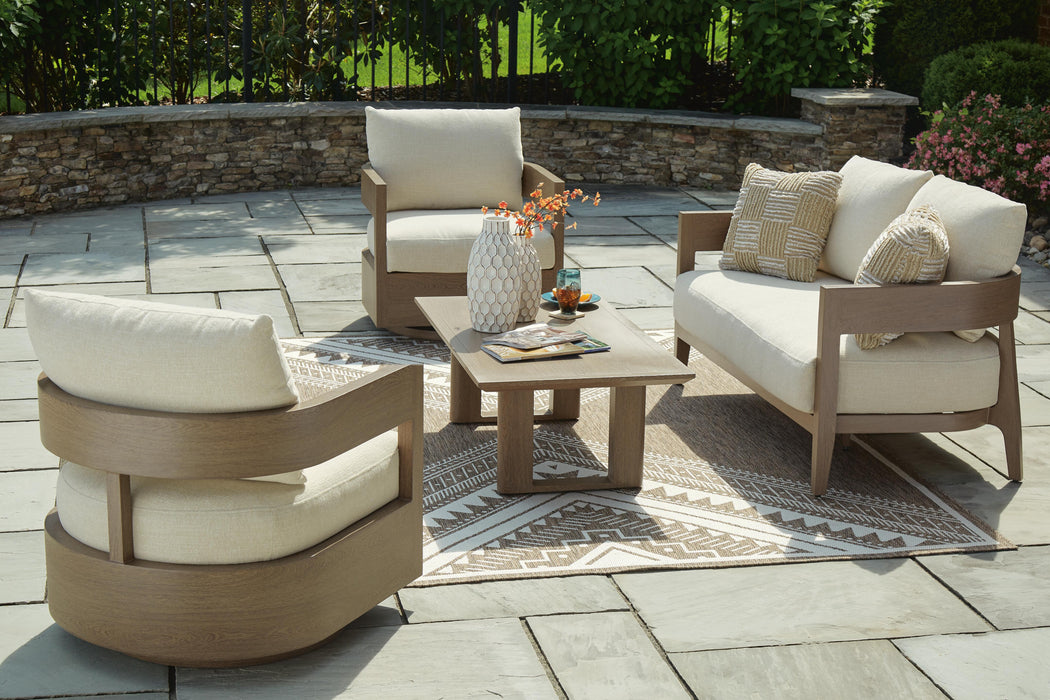
Your outdoor furniture should feel like a natural extension of your home, aligning with your home’s architectural style and color scheme. This creates an inviting atmosphere that flows seamlessly from interior to exterior.
Style pairings:
-
Modern homes: Clean-lined metal or poly furniture, neutral cushions, slim silhouettes
-
Cottage or traditional homes: Wood or woven looks with soft, muted fabrics and natural materials
-
Urban balconies: Compact, foldable pieces with vertical efficiency (under 5 cm depth when folded)
Coordinating the colors of your outdoor furniture with your existing landscape and home exterior creates a beautiful, unified look. Limit to 2–3 hues, for example, charcoal frames, sand cushions, and terracotta accents. Mixing different sizes and heights of outdoor furniture can create a balanced arrangement that feels inviting and harmonious.
Use outdoor rugs (2×3 m defining zones), lanterns (IP65 waterproof, 500 lumens), and planters to visually anchor seating areas and define conversation or dining areas. Add personality with accent pieces like fire pits or decorative stools.
Keep sightlines clear toward key views, garden beds, trees, city skyline. Avoid blocking windows with tall backs. Position furniture to face focal points, angling seats 30 degrees toward views when possible.
Plan for Weather Protection, Storage, and Year-Round Care
Protection and storage decisions can double or triple the lifespan of your outdoor oasis. Invest in high-quality covers to protect outdoor furniture during harsh weather when not in use.
Everyday protection:
-
Umbrellas (3–4 m diameter) or pergolas reduce UV irradiance by 85–95%
-
Tree shade and awnings prevent sun damage and heat exposure
-
UV protection prevents fading, and choosing outdoor furniture with UV resistance helps prevent damage from prolonged sun exposure
Seasonal care:
-
Monthly maintenance tasks for outdoor furniture include rinsing frames with water, brushing off pollen and debris, and checking fasteners for tightness
-
Spring: wash frames with mild soap and water, check hardware
-
Midsummer: tighten connections, inspect for wear
-
Autumn: re-seal wood where needed, prepare for off-season storage
Storage tips:
-
Stackable or foldable chairs reduce to 20% volume
-
Using breathable furniture covers during extended wet periods can help prevent mold growth and protect outdoor furniture from moisture damage
-
Properly storing outdoor furniture during harsh weather or when not in use can significantly extend its lifespan and maintain its appearance
Cold-climate specifics: Bring cushions indoors from late autumn to early spring. Avoid leaving glass tabletops under heavy snow loads (exceeding 50 kg/m²), which risk shattering. With proper care, these practices yield 2–3x lifespan multipliers.
Set a Realistic Budget and Decide Where to Invest
Quality outdoor furniture is an investment that pays dividends in enjoyment and longevity, with high-quality pieces often lasting 10-15 years or more with proper care. Setting a budget helps you focus your search and make smart furniture investments that will meet your needs for years to come.
Investment strategy:
-
Invest most in pieces used daily (main sofa, primary dining sets)
-
Save on accent items like side tables, decorative stools, or throw pillows, easier to replace
-
High-quality construction impacts the longevity and enjoyment of outdoor furniture
Price bands with lifespan expectations:
|
Category |
Typical Cost Range |
Expected Lifespan |
|---|---|---|
|
Simple resin chairs/tables |
Lower cost |
3–5 years |
|
Mid-range aluminum or synthetic wicker |
Moderate |
7–10 years |
|
High-quality outdoor furniture (hardwood/poly lumber) |
Higher upfront |
15–20+ years |
When comparing options, consider the “cost per year of ownership.” A higher-priced set that lasts longer offers better value than a cheaper one you’ll replace often. Factor in covers ($50–200 annually), cushion replacements, and cleaning supplies for true ROI.
Check warranties before purchasing: frame coverage typically spans 3–10 years, fabric coverage around 5 years. Verify return policies for online purchases, essential since 20% of buyers experience sizing errors.
Bringing It All Together: Create an Outdoor Space You’ll Actually Use
The best outdoor furniture transforms a sprawling backyard or more intimate setting into a true extension of your home, one you’ll use from weekday breakfasts to weekend gatherings. For maximum functionality, outdoor furniture should be suited for its primary use, whether that’s dining or lounging.
Final checks before buying:
-
Does every seat have a surface nearby for a drink or a book?
-
Is there shade during the hottest part of the day (post-2 pm coverage)?
-
Can people move around without squeezing past chairs (enough room for 90 cm aisles)?
-
Are you willing to do the level of maintenance the right material requires?
Whether you’re working with small patios, small spaces, or larger patios with so many styles to consider, the principles remain the same. Measure carefully with a tape measure, match materials to your weather conditions, invest in comfort, and plan for protection.
Grab that tape measure today. List your top 3 priorities, whether that’s hosting dinner parties, creating a quiet reading retreat, or building a kid-friendly zone. With these fundamentals in hand, you’re ready to choose the best outdoor furniture that you’ll actually use for years to come.
Get Outdoor Furniture at Delta Mattress & Sofa Outlet Today
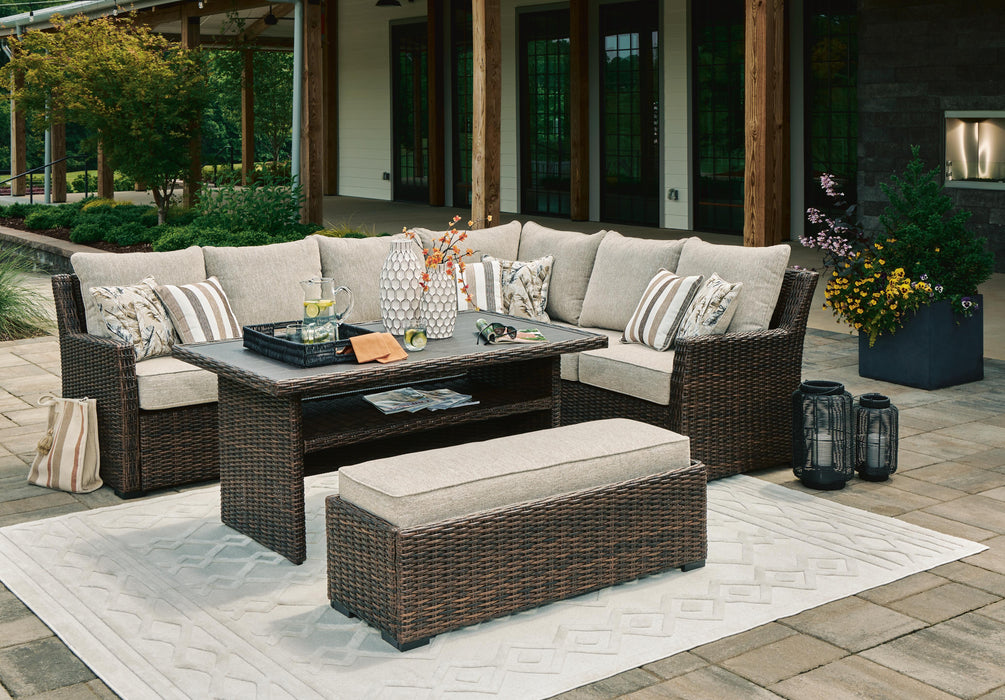
Upgrade your patio, deck, or backyard with outdoor furniture at Delta Mattress & Sofa Outlet today and create a space that is comfortable, functional, and ready for everyday use. Whether you are setting up a relaxing seating area or a space for outdoor dining, the right furniture helps you enjoy more time outside with family and friends. Designed for durability and ease of use, outdoor furniture can handle changing weather while maintaining comfort and style.
Now is the perfect time to refresh your outdoor setup. Get outdoor furniture at Delta Mattress & Sofa Outlet now and create an inviting outdoor space where you can relax, entertain, and make the most of your home.