
What to Consider When Buying a Sectional Sofa: A Complete Guide
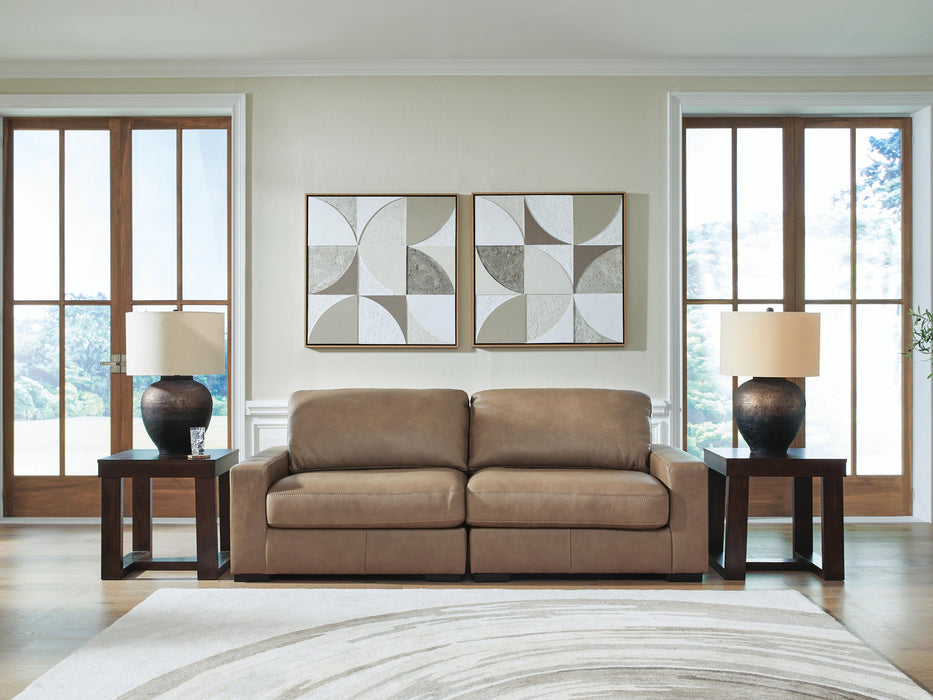
Buying a sectional sofa represents one of the most significant furniture investments you’ll make for your living space. With so many options available in today’s market, choosing the right sectional sofa requires careful planning and consideration of multiple factors that will impact both your daily comfort and long-term satisfaction.
Unlike a regular sofa, sectionals offer maximum flexibility and can dramatically transform your room’s functionality and aesthetic appeal. However, their larger footprint and modular nature also create unique challenges that most people don’t anticipate during the shopping process. Making the right choice involves understanding everything from your room’s dimensions to how you actually use your living space.
In this comprehensive guide, we’ll walk you through the seven essential factors to consider when buying a sectional sofa, helping you make an informed decision that you’ll be happy with for years to come.
Room Size and Space Planning
The foundation of choosing the right sectional sofa starts with understanding your room size and creating a detailed floor plan. This crucial first step can prevent costly mistakes that leave you with furniture that overwhelms your space or creates awkward traffic patterns.
Measure Your Room Dimensions Carefully
Begin by measuring your room’s width, length, and ceiling height. Most sectionals require significantly more room than people imagine, so accuracy is essential. Create a simple floor plan on paper or use an online room planner to visualize how different sectional sizes will fit in your space.
Use painter’s tape to outline the sectional’s footprint directly on your floor before making a purchase. This technique allows you to walk around the outlined space and determine if you have adequate room for both the sectional and other furniture pieces. Many buyers skip this step and later discover their new sectional makes their room feel cramped and difficult to navigate.
Consider Traffic Flow Patterns
Proper traffic flow requires maintaining 18-36 inches of walking space around your sectional. This clearance ensures people can move comfortably through the room without having to squeeze past furniture or disrupt others who are seated.
Pay special attention to high-traffic areas between the sections and doorways, stairs, or frequently used areas like the kitchen. Poor traffic flow can make even a spacious room feel cluttered and inconvenient for everyday living.
Account for Wall Clearance and Corner Placement
Most sectionals work best when positioned slightly away from walls, typically allowing 2-4 inches of clearance for proper air circulation and easier cleaning. Corner placement requires extra consideration since sectionals naturally draw the eye and can create visual weight in room corners.
Evaluate whether your space can accommodate the sectional without making the room feel overwhelmed. Industry guidelines suggest a sectional should occupy roughly two-thirds of available wall space to maintain visual balance.
Plan for Delivery Logistics
Measure all doorways, hallways, stairways, and elevators along the delivery path to your room. Many sectional pieces are larger than standard doorways, and some may require professional disassembly and reassembly.
Consider whether your building has any delivery restrictions or if you’ll need to schedule freight delivery for larger pieces. Some sectionals come in multiple boxes that are easier to maneuver through tight spaces.
Sectional Configuration and Shape
The configuration you choose will determine both the sectional’s functionality and how it integrates with your existing living space. Understanding the different options helps you select a shape that matches your specific needs and room layout.
Choose Between Different Sectional Shapes
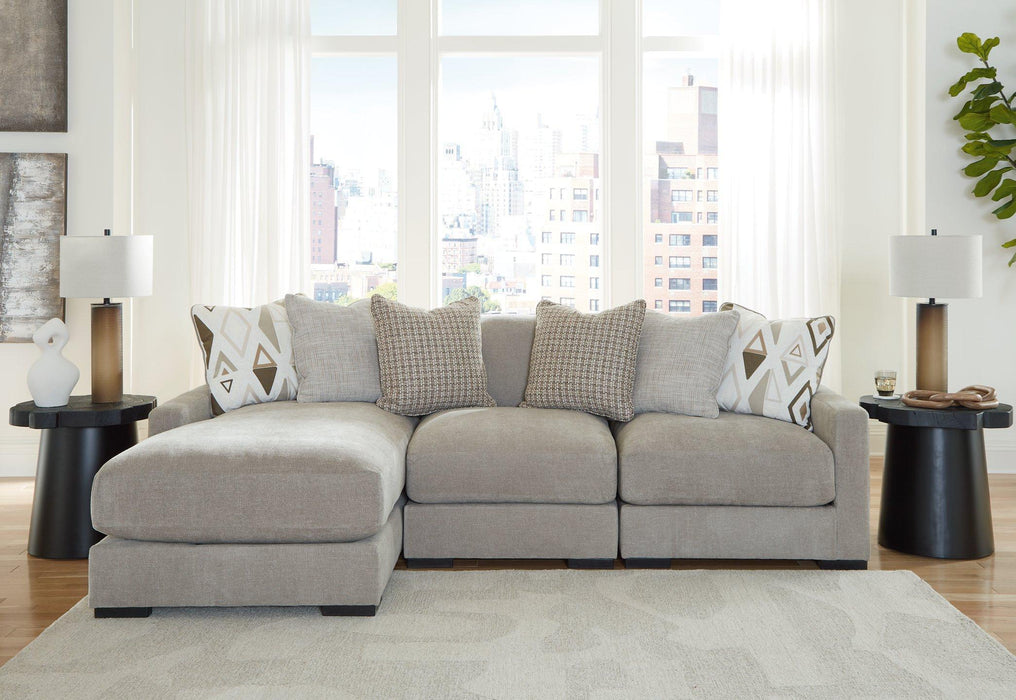
L-shaped sectionals offer the most versatile option for smaller to medium-sized rooms. This configuration typically includes a standard sofa section connected to a chaise or corner piece, creating a classic corner arrangement that maximizes seating without overwhelming the space.
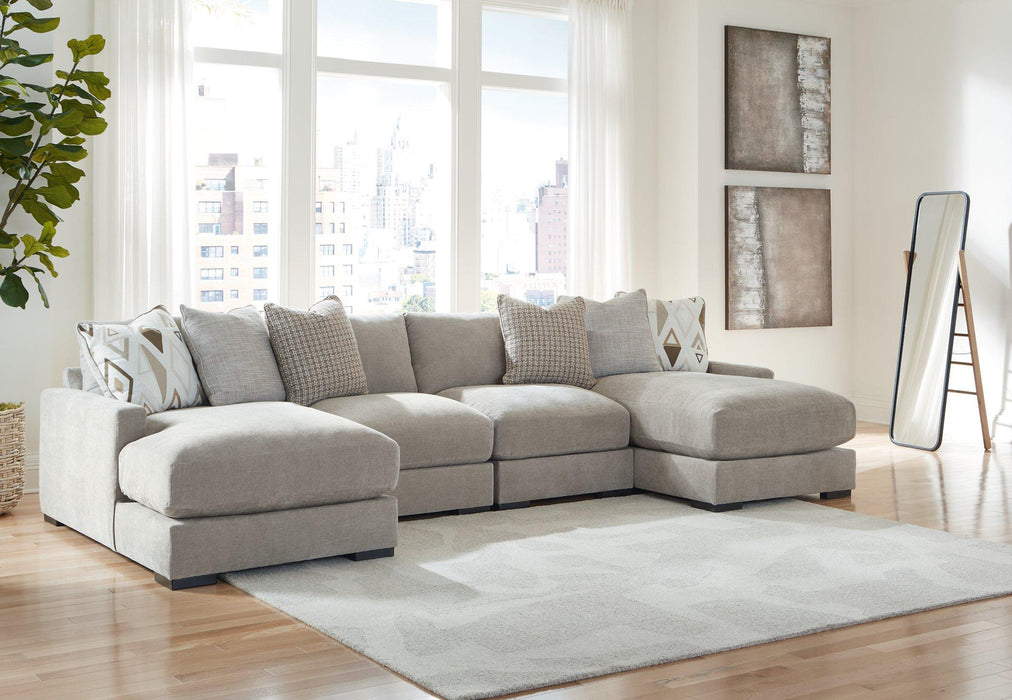
U-shaped sectionals provide wraparound seating ideal for larger gatherings and open floor plan homes. These configurations work best in spacious rooms where the sectional can serve as a central gathering point without blocking traffic flow to other areas.
Curved sectionals offer a unique aesthetic that can soften the angular lines of modern room designs. However, they require careful space planning since they can’t be positioned against walls and typically need to float in the middle of larger rooms.
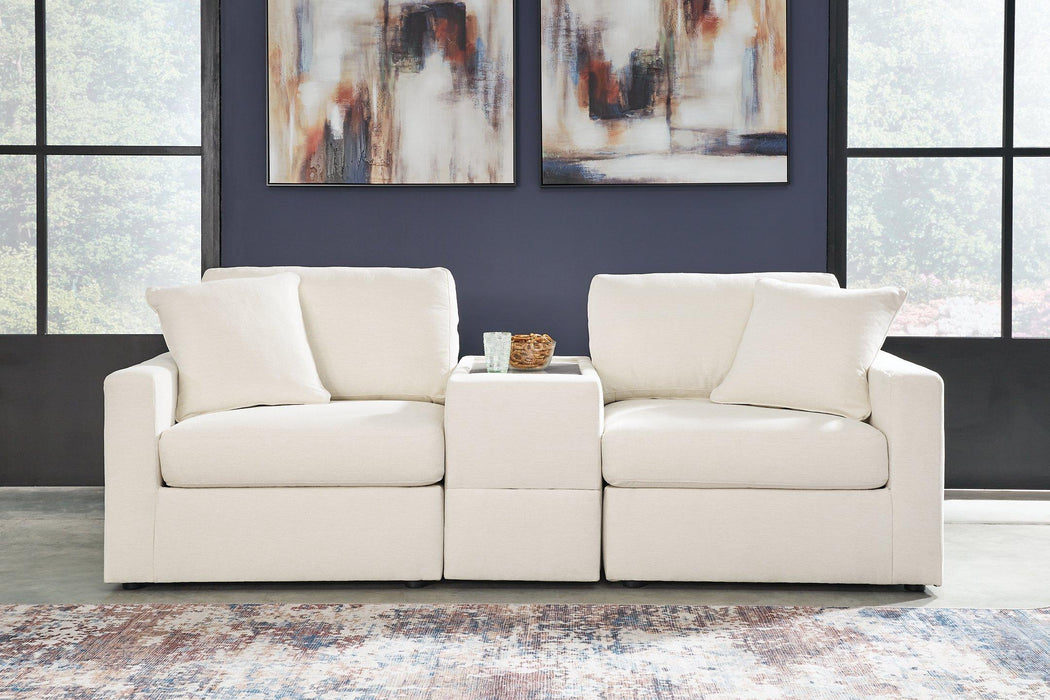
Modular sectionals consist of separate pieces that can be arranged in various configurations. This option provides the most flexibility for future rearrangement as your needs change, making them ideal for people who move frequently or like to update their room layouts regularly.
Decide on Orientation and Chaise Placement
Sectionals come in right-arm facing (RAF) or left-arm facing (LAF) orientations. The designation refers to where the arm appears when you’re facing the sectional. Choose the orientation that places the chaise on the side with the least foot traffic to avoid people walking in front of lounging family members.
Consider how the chaise placement affects sight lines to your television or entertainment center. The chaise should enhance your viewing experience rather than creating awkward angles or blocked views.
Evaluate Modular Flexibility
If you anticipate changes in your living situation, modular pieces allow you to reconfigure your sectional as needed. Some systems let you add or remove pieces over time, accommodating everything from apartment living to larger homes.
Determine whether you need a corner seat or prefer separate pieces that can be arranged with slight gaps. Some people find corner seats confining, while others appreciate the cozy, wraparound feeling they provide.

Comfort and Functionality
Comfort extends beyond initial impressions to include how the sectional will perform through years of daily use. Testing key comfort factors helps ensure your sectional meets your family’s specific relaxation and functionality needs.
Test Seat Depth and Cushion Firmness
Seat depth significantly impacts comfort for different body types and sitting preferences. Deep seats accommodate full leg extension and lounging positions, making them ideal for stretching out or casual napping. However, shorter individuals may find deep seats uncomfortable for upright sitting since their feet might not touch the floor.
Cushion firmness varies considerably between manufacturers and price points. Some sectionals feature deliberately firm cushions designed to soften during a break-in period, while others prioritize immediate comfort. Sit on the sectional for at least 10-15 minutes to assess whether the firmness level suits your preferences.
Verify Chaise Length and Functionality
The chaise portion must accommodate your height for comfortable leg extension. Measure the chaise from the seat back to the front edge and compare this to your leg length when seated. People over 6 feet tall may find standard chaise lengths insufficient for full relaxation.
Some chaises include hidden storage compartments that provide valuable organization space while serving as an ottoman for extra seating. These dual-functionality features prove particularly useful in smaller living spaces where every piece of furniture must serve multiple purposes.
Consider Built-in Features and Technology
Modern sectionals often include built-in features like USB charging ports, cup holders, and reclining mechanisms. Evaluate which features align with your family’s usage patterns and whether they justify any additional costs.
Power reclining options allow individual control of each seat’s position but require access to electrical outlets. Manual reclining mechanisms cost less but may be more difficult for some family members to operate comfortably.
Evaluate Armrest Style and Height
Armrest height affects both comfort and the overall aesthetic of your sectional. Lower arms create a more open, modern appearance and allow more flexibility for side-lying positions. Higher arms provide better support for reading or laptop use but can make smaller rooms feel more enclosed.
Consider how armrest width affects the sectional’s overall dimensions and whether wide armrests will limit your seating capacity or create awkward proportions in your room.
Social and Entertainment Considerations
How your sectional affects social interaction and entertainment activities can significantly impact your family’s daily enjoyment of the living space. Consider how different configurations support your typical hosting and relaxation patterns.
Plan for Conversation Flow During Gatherings
Sectionals naturally create conversation zones, but some configurations facilitate interaction better than others. L-shaped arrangements typically promote intimate conversation among smaller groups, while U-shaped sectionals can accommodate larger gatherings but may make conversation across the full seating area more challenging.
Consider whether your sectional’s configuration encourages face-to-face interaction or creates a theater-style arrangement where everyone faces the same direction. Both approaches serve different social needs, so choose based on how your family typically entertains.
Arrange Coffee Table and Side Table Placement
Plan where you’ll place a coffee table or ottoman in relation to your sectional. The coffee table should be accessible from all seating positions while maintaining enough clearance for comfortable leg room and easy passage around the furniture.
Side tables or console tables provide convenient surfaces for drinks, snacks, and personal items during gatherings. Consider whether your sectional’s configuration leaves adequate space for these functional pieces without creating a cluttered appearance.
Optimize Sight Lines to Entertainment Centers
Evaluate how each seat position relates to your television or entertainment center. Avoid configurations that create awkward viewing angles or require people to crane their necks to see the screen comfortably.
If your family frequently watches movies or sports together, prioritize configurations that provide good viewing angles from multiple positions. Corner seats sometimes create less optimal viewing positions, so test these carefully if entertainment is a priority.
Consider Guest Comfort and Accessibility
Think about how comfortable guests will be in different sections of your sectional. Some corner positions can feel isolated or difficult to exit gracefully, particularly for older family members or guests who might have mobility considerations.
Ensure that guests can easily access seating without having to climb over other seated individuals or navigate around large ottoman pieces.
Style and Design Integration
Selecting the right style elements ensures your sectional enhances rather than clashes with your existing decor while creating the aesthetic atmosphere you want in your living space.
Choose Upholstery Materials Based on Lifestyle
Fabric options range from performance materials engineered to resist stains and everyday wear to luxury options like Italian leather or designer textiles. Families with children or pets typically benefit from performance fabrics that maintain their appearance despite heavy use and occasional spills.
Leather sectionals offer sophistication and durability but require more maintenance and typically cost more than fabric alternatives. Consider whether leather’s aesthetic appeal justifies the higher investment and care requirements for your household.
Request fabric samples before making final decisions, as colors and textures can appear different under your home’s lighting conditions compared to showroom displays.
Select Colors and Patterns That Complement Existing Decor
Neutral colors like gray, beige, or navy provide versatility for changing decor trends and are easier to coordinate with other furniture pieces. Bold colors or patterns can create stunning focal points but may limit your future decorating flexibility.
Consider how your sectional’s color will interact with existing elements like area rugs, curtains, and wall colors. Large furniture pieces like sectionals significantly impact a room’s color balance.
Plan for the Sectional as a Focal Point
Most sectionals naturally become the room’s primary focal point due to their size and central placement. Determine whether you want the sectional to dominate the space or blend more subtly with other design elements.
If you prefer a more understated approach, choose neutral colors and simple lines that won’t compete with other decorative elements. For a statement piece, consider bold colors, interesting textures, or distinctive leg styles that draw attention.
Evaluate Leg Styles and Overall Aesthetic
Sectional legs significantly influence the overall style impression, from sleek metal legs that create a modern, floating appearance to traditional wooden legs that provide a more grounded, classic look. Higher legs can make rooms feel more spacious by allowing light to flow underneath the sectional.
Consider whether exposed legs or a skirted base better suits your design preferences and cleaning requirements. Exposed legs require more frequent cleaning underneath but create a lighter visual impression.
Balance Visual Weight with Room Proportions
Large sectionals can overwhelm smaller rooms, while undersized sectionals may look lost in expansive spaces. Consider your room’s ceiling height and overall proportions when evaluating sectional scale.
Plan how decorative pillows and throws will integrate with your sectional’s design. These accessories can help tie the sectional into your room’s color scheme while adding textural interest and seasonal variation.
Quality and Construction
Understanding construction quality helps you identify sectionals that will provide lasting comfort and value, distinguishing between budget-friendly options and long-term investments.
Inspect Frame Construction and Materials
High-quality sectionals feature solid hardwood frames, typically made from oak, maple, or other durable wood species. These frames provide superior stability and longevity compared to particleboard or plywood alternatives, which may develop structural issues over time.
Examine joint construction, looking for reinforced corner blocks, dowel joints, or mortise-and-tenon construction rather than simple staples or screws. Quality frame construction directly correlates with the sectional’s ability to withstand daily use without developing squeaks or structural weakness.
Check Cushion Quality and Foam Density
Cushion construction significantly affects both immediate comfort and long-term performance. High-density foam maintains its shape and support longer than low-density alternatives, which can develop permanent impressions or lose their springiness relatively quickly.
Some sectionals feature layered cushion systems combining different foam densities or include down alternative materials for added softness. Understanding the cushion construction helps you anticipate how the sectional will feel after years of use.
Evaluate Upholstery Fabric Durability
Look for upholstery fabrics with high rub counts, indicating resistance to wear from friction and everyday use. Performance fabrics typically offer superior stain resistance and cleaning ease compared to traditional upholstery materials.
Check seam construction and stitching quality throughout the sectional. Reinforced seams and quality stitching indicate attention to manufacturing detail and suggest better long-term durability.
Consider Warranty Coverage and Manufacturer Reputation
Comprehensive warranties typically indicate manufacturer confidence in their product quality. Look for warranties that cover frame construction, springs, and cushions separately, as these components may have different coverage periods.
Research manufacturer reputation through customer reviews and industry ratings. Established manufacturers with good customer service records provide better support if issues arise after purchase.
Assess Suspension Systems
Quality sectionals incorporate sophisticated suspension systems using sinuous springs, eight-way hand-tied springs, or modern high-resilience alternatives. These systems provide the foundational support that maintains comfort over time.
Avoid sectionals that rely solely on webbing or minimal support systems, as these typically lead to premature sagging and reduced comfort as the sectional ages.
Practical Purchase Considerations
The final phase of selecting your sectional involves practical logistics that can significantly impact your overall satisfaction with the purchase process and long-term ownership experience.
Confirm Delivery Logistics and Requirements
Verify delivery timelines, particularly for custom or made-to-order sectionals that may require 8-16 weeks for completion. Plan your room preparation accordingly, including any painting, flooring, or other renovations that should occur before delivery.
Understand what’s included in delivery service - some retailers provide basic threshold delivery while others include full setup and packaging removal. A professional setup can be particularly valuable for modular sectionals with multiple components.
Confirm whether delivery teams can navigate stairs, elevators, and tight corners along the path to your room. Some sectionals require special delivery equipment or may need to be disassembled for delivery and reassembled in your room.
Understand Assembly Requirements
Determine whether your sectional arrives fully assembled or requires some customer assembly. Modular sectionals typically require connecting individual pieces, which most homeowners can complete with basic tools and following the provided instructions.
Some sectionals include heavy or complex components that benefit from professional assembly, particularly those with built-in recliners or electrical components for power features.
Budget for Additional Accessories and Elements
Plan financially for complementary items like area rugs, coffee tables, side tables, and decorative pillows that help integrate your sectional into the room’s overall design. These accessories can add 20-40% to your total investment but significantly enhance the sectional’s functionality and appearance.
Consider whether you’ll need furniture protection plans, professional cleaning services, or specific care products for maintaining your sectional’s appearance over time.
Compare Pricing and Financing Options
Shop multiple retailers to understand market pricing for comparable quality and features. Sectional pricing varies significantly based on size, materials, and customization options, so comparing similar specifications helps identify the best value.
Investigate financing options if you’re purchasing a higher-end sectional. Many furniture retailers offer promotional financing that can make quality sectionals more accessible while spreading payments over time.
Research Customer Reviews and Experiences
Focus on reviews that specifically address delivery experience, product quality after extended use, and customer service interactions. Long-term reviews (6+ months after purchase) provide more reliable insights into satisfaction and product performance.
Pay attention to reviews mentioning your specific concerns, such as pet durability, delivery challenges, or comfort for taller individuals. Real customer experiences often reveal practical considerations that aren’t apparent from product descriptions alone.
Look for feedback about how well sectionals hold up to everyday wear, whether cushions maintain their shape, and how easy the upholstery is to maintain and clean.

Making Your Final Decision
Choosing what to consider when buying a sectional sofa ultimately comes down to balancing all these factors against your specific needs, preferences, and constraints. Take time to revisit your room measurements, think honestly about how you’ll use the space, and consider your long-term plans.
Remember that a quality sectional represents a significant investment that should serve your family well for many years. Rushing the decision process often leads to regret, while thoughtful consideration of room size, configuration needs, comfort requirements, style preferences, construction quality, and practical logistics helps ensure you’ll love your choice.
The process of selecting the right sectional sofa requires patience and attention to detail, but the result - a comfortable, functional, and beautiful centerpiece for your living space - makes the effort worthwhile. By systematically working through each consideration, you’ll be well-equipped to make an informed decision that enhances your home’s comfort and functionality for years to come.
Shop At Deltra Mattress & Sofa Outlet Today!
When buying a sectional sofa, it helps to think about size, layout, comfort, and how it fits your lifestyle. We know that a sectional is a big part of your living room, so it’s important to choose one that feels right and works well in your home.
First, consider the size and shape of your space. A sectional should fit comfortably in your room without crowding it. It should leave enough space for movement while anchoring the seating area with style.
Next, think about how you use your living room. If you often entertain guests or have a large family, choose a sectional with plenty of seating and a durable frame. If you’re looking for cozy movie nights or relaxed lounging, go for plush cushions and deep seats—or even a recliner‑sectional hybrid.
Also, pay attention to materials and build quality. Durable upholstery, strong frames, and easy‑to‑clean fabrics can make a big difference in how long the sofa lasts and how comfortable it remains over time.
Finally, consider flexibility and configuration. A sectional that can be rearranged or adjusted offers more versatility if you move or redecorate. When you’re ready to shop, we’re here to help you find the sectional that best matches your space, needs, and style.