
How Dining Room Furniture Affects Everyday Meals
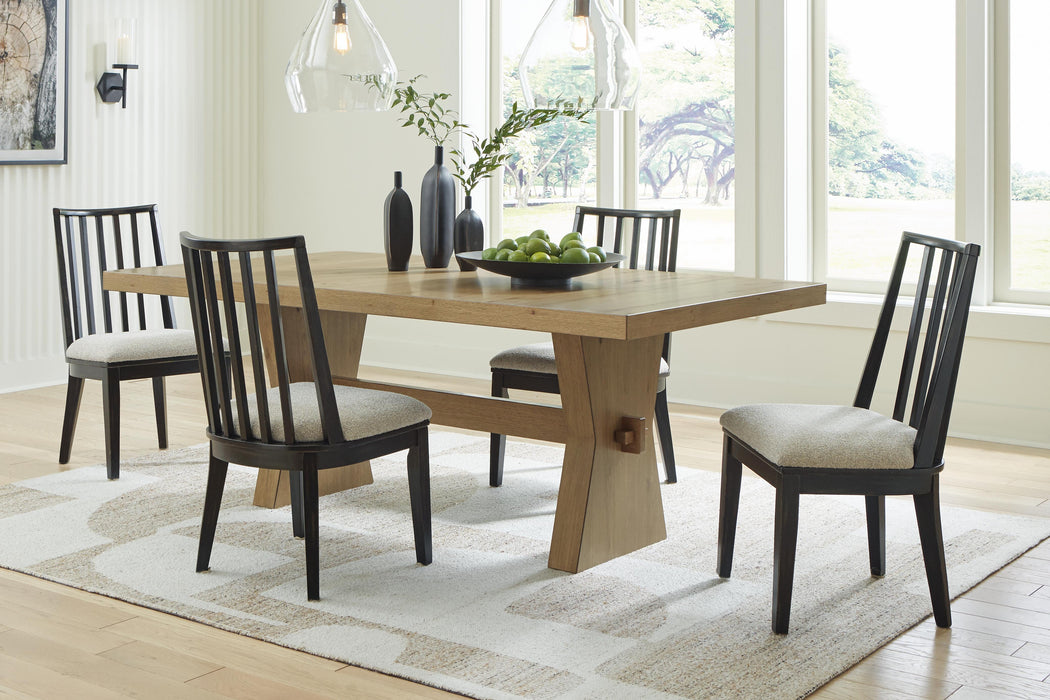
Walk through most homes today, and you’ll find something has quietly shifted. The dining room table sits empty while family members scatter, one person on the couch with a delivery container, another at the kitchen counter scrolling through emails, a child eating in their bedroom between video calls. Since 2020, the rise of food delivery apps and remote work has fundamentally changed where and how we eat. The formal dinner has given way to fragmented grazing, and the dining room has become more of a pass-through space than the gathering point it once was.
But here’s what most people don’t realize: the layout, table, and especially the chairs in your dining room play an important role in how often your family actually sits together, how long everyone stays at the table, and how much you genuinely enjoy those meals. Your furniture isn’t just decoration, it’s shaping your daily life in ways you might not have considered.
This article will answer how dining room furniture affects everyday meals, then go deeper into the design choices, comfort factors, and psychological effects that make certain setups work better than others.
What we’ll cover:
-
How specific furniture choices create fundamental changes in daily eating habits
-
Why the dining room functions as the heart of household routines
-
The connection between chair comfort, table proportions, and meal duration
-
Layout principles that determine whether you actually use your dining space
-
How materials and colours influence mood and appetite
-
Practical guidance for choosing furniture that fits your real life
1. How Dining Room Furniture Directly Affects Everyday Meals
The dining table you choose, the chairs surrounding it, and how you arrange them in your space aren’t abstract design decisions. They’re directly tied to whether your family shares weeknight dinners, whether homework happens in a common area, and whether weekend brunch becomes a lingering ritual or a grab-and-go affair.
When chairs cause physical discomfort, such as being too hard, too low, or lacking back support, people rush through eating just to escape the seat. A cramped table surface where elbows bump and plates crowd together creates subtle stress that makes everyone want to finish quickly. Contrast this with ergonomic seating and generous spacing: suddenly, meals slow down, conversation flows naturally, and the simple act of eating together becomes something people look forward to rather than endure.
Even in a small apartment, carving out a dedicated dining area nudges family members to gather in one spot instead of scattering to the living room, bedroom, or home office. Research on healthcare environments has shown that when people eat in designated dining spaces rather than isolated locations, social interaction increases substantially, and those who interact more during meals tend to consume more food and report higher satisfaction. The same principle applies at home. Families who eat together at least four or five times a week tend to communicate better and develop healthier eating patterns, not because of some magic in the food, but because the furniture creates the conditions for connection.

2. The Dining Room as the Daily Heart of the Home
The dining room works best when it functions as a daily anchor point, a space where meals, conversations, homework, and small routines naturally overlap. Unlike the living room, which invites lounging and passive screen time, or the kitchen, which prioritizes cooking efficiency, the dining area signals a specific purpose: sit down, be present, share a moment.
When a table sits visible and inviting, set near natural light, positioned close to the kitchen, it encourages spontaneous sit-down moments throughout the day. An after-school snack becomes a chance to hear about a child’s day. Evening tea turns intoa quiet conversation between partners. These aren’t formal events; they’re the small interactions that make up the texture of family life.
Eating on the couch or at a computer keeps people in work mode or entertainment mode. Sitting at a real dinner table creates a mental shift. The physical act of moving to the table, pulling out a chair, and sitting down tells your brain: this is mealtime. Studies on dining environments confirm that location significantly impacts experience. When stroke rehabilitation patients ate in a dining room rather than at their bedside, all 19 patients reported enjoying the experience, and 74% preferred the dining room setting. The dining room brightened the mood, encouraged movement, and facilitated interaction. Your house works the same way.
2.1 Everyday Rituals: From Breakfast to Late-Night Snacks
The same furniture supports entirely different moments across the day. A rushed weekday breakfast requires a table that’s quick to wipe down after spilled cereal. A quiet solo lunch needs a comfortable chair where you can sit for twenty minutes without fidgeting. Family dinners demand enough space for everyone to eat without crowding. Late-night tea or snacks work best when the table feels welcoming even after the main meal has passed.
Durable, easy-to-clean surfaces make it more likely you’ll actually use the dining area for multiple purposes, not just meals, but homework, crafts, bill-paying, and laptop work. When you’re not worried about damaging a precious table surface, the space becomes genuinely functional rather than decorative. A stable, comfortable setting encourages longer, calmer ordinary meals instead of “eat-and-go” snacking that happens when furniture feels too precious or too uncomfortable for regular use.
2.2 Building Connection and Conversation Around the Table
Table shape and chair arrangement directly influence eye contact and conversation. Round tables naturally encourage more inclusive discussions because everyone can see everyone else, and no one sits at the “head” with more authority. Long rectangular dining room tables tend to create sub-groups, with people talking mainly to immediate neighbours. Neither is inherently better; the right choice depends on how your household communicates.
Seating everyone in similar, comfortable chairs at the same height helps children and adults feel more equal during meals. When a child sits on a wobbly stool while adults relax in padded seats, the message is subtle but clear: your comfort matters less. Consistent seating reinforces that everyone at the table deserves to be heard.
Regularly gathering around the table creates small, repeated rituals that strengthen emotional connection over time. Sharing highs and lows of the day, talking about upcoming plans, or simply sitting together without the distraction of screens, these moments accumulate into something meaningful. The furniture doesn’t create love, but it makes the conditions where love can show up consistently.
3. Comfort and Posture: How Tables and Chairs Influence Eating and Wellbeing
The height and comfort of dining furniture directly affect posture, digestion, and how long people genuinely want to stay at the table. Furniture that forces awkward positions, hunching forward, sitting too low, and reaching too high creates physical discomfort that makes people want to finish eating and leave.
Standard table height typically falls between 73 and 76 centimetres, with chair seat height around 45 to 48 centimetres. This leaves roughly 28 to 32 centimetres between the seat and the tabletop, enough space for thighs to fit comfortably underneath without legs pressing against the table bottom. These proportions matter because when the body is supported correctly, eating becomes more relaxed.
Ergonomic back support and adequate seat cushioning reduce fidgeting and restlessness. When your body isn’t fighting discomfort, you can focus on the food and the conversation. Research on physical environmental factors in dining spaces confirms that comfort variables, including seating support and noise levels, significantly influence how people experience meals and how long they’re willing to stay.
When feet rest flat on the floor, and shoulders relax naturally, people tend to chew more slowly and pay more attention to both their food and their companions. The overall dining experience improves not through fancy presentation but through the basic physical comfort that allows genuine presence.

3.1 Seating Design: How Chair Shape Affects Meal Length
Different backrest shapes change how supported people feel and how long they’re willing to sit. High-back chairs offer full spinal support and encourage lingering, ideal for formal dinners or long conversations. Curved backs cradle the body and feel welcoming without the formality. Low-back designs look sleek but often leave sitters feeling unsupported after fifteen or twenty minutes.
The difference between hard wooden seats and lightly upholstered seats matters more than many people realize. A modest amount of cushioning, even just a fabric-covered pad, often keeps people at the table for dessert or that extra cup of tea. The best dining chairs balance visual style with genuine comfort. Tough seats look beautiful in photographs,s but encourage quicker departures in real life.
Armrests present a trade-off. They make people feel more secure and relaxed, particularly older adults or anyone with mobility concerns. However, armrests reduce how many chairs fit around a table and can make it harder to slide in and out. For everyday family meals, armless chairs often work better; for guests or special occasions, a few chairs with arms signal comfort and welcome.
3.2 Table Stability, Noise, and Mealtime Atmosphere
A wobbling table or squeaky chairs distract from meals in ways people don’t always consciously notice. When the table shifts every time someone sets down a glass, everyone tenses slightly. When chairs scrape loudly against the floor, conversation pauses. These small disruptions accumulate, making people eat faster and feel more stressed without understanding why.
Solid construction and simple additions like felt pads under chair legs reduce scraping noises and make the dining room feel more peaceful. Research on acoustic environments in dining spaces found that noise reduction significantly improved comfort ratings; residents in quieter dining configurations reported substantially higher satisfaction with the acoustic quality of their meals.
Heavier, stable tables serve multiple purposes beyond meals. They feel secure for children doing homework, stable for adults using laptops between dinner courses, and reliable for friends and family during memorable experiences like holiday gatherings. The tactile experience of pressing your hands against a solid, unmoving table surface contributes to a sense of calm that lighter, flimsier furniture simply can’t provide.
4. Layout, Flow, and How Often You Actually Use the Dining Room
Even beautiful furniture won’t be used if the layout feels cramped, awkward, or cut off from daily traffic patterns. The relationship between your dining area and the rest of your living spaces determines whether eating at the table feels natural or like an inconvenient detour.
Leave generous walkways around the table, around 90 centimetres where possible, with a minimum of about 60 centimetres. This spacing allows people to pull out chairs without bumping walls, squeeze past while carrying dishes, and generally move through the space without friction. Tight layouts create subconscious resistance: if getting to the table feels like an obstacle course, people default to the kitchen counter or couch.
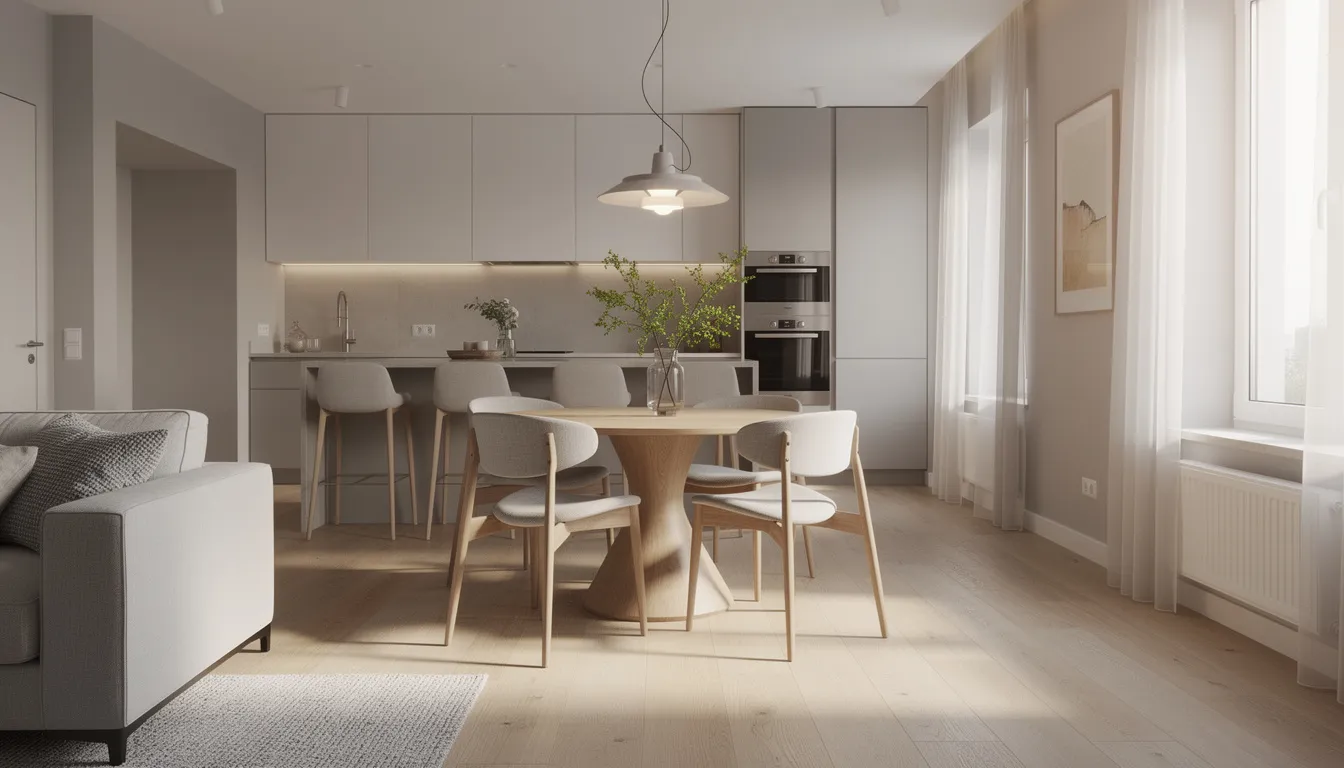
Placing the dining area close to the kitchen reduces the effort involved in carrying food, clearing plates, and refilling drinks. This proximity makes it easier to choose the table over the sofa on busy weekdays when every extra step feels like too much work. In open-plan contemporary homes, simple zoning tricks, a rug beneath the table, and a pendant light overhead visually mark the area as a dedicated mealtime spot even without walls defining the room.
4.1 Table Shape and Room Proportions
Rectangular tables usually suit long rooms and accommodate more people for family gatherings, celebrations, and holiday meals. They’re practical for households that frequently host guests or have larger families. A longer dining room table also provides more table surface for serving dishes during special occasions.
Round tables work beautifully in square rooms or corner dining spaces. They soften traffic flow, there are no sharp corners to navigate around, and they create more intimate settings for small daily life meals. Conversation flows more naturally because everyone faces the centre. For couples or small families, round tables make even simple weeknight dinners feel more connected.
Square tables occupy a middle ground. They feel cozy for two to four people, especially in compact dining nooks or apartments where space optimization matters. However, they become awkward quickly when you need to add extra guests. Understanding how different shapes change movement and interaction helps you choose furniture that matches your actual household patterns rather than an idealized version of how you might eat.
4.2 Storage, Surfaces, and Everyday Practicality
Adding a sideboard, console, or storage bench near the dining table makes it dramatically easier to lay the table quickly. When placemats, cutlery, napkins, and serving pieces live within arm’s reach, setting up for dinner takes seconds rather than minutes. This convenience encourages sit-down meals even on busy nights when the alternative is eating standing at the sink.
Keeping essentials nearby reduces friction in ways that compound over time. If you have to walk to another room to gather everything needed for dinner, you’ll eventually stop bothering. If everything waits in a drawer beside the table, the dining area stays “ready” for use at any moment. The room becomes a natural destination rather than a formal space reserved for the company.
Clutter-free surfaces and closed storage help the space feel calm and intentional. When the table is buried under mail, craft supplies, or work papers, it psychologically stops being a dining table. Maintaining clear surfaces signals that meals matter, that this is a work surface for eating, not a dumping ground for everything else in the house.
Kitchen and Dining Integration: Blurring the Lines for Modern Living
In contemporary homes, the boundaries between kitchen and dining spaces are fading, giving rise to open, multifunctional areas that serve as the true heart of daily life. This integration isn’t just a design trend; it’s a reflection of how families and friends want to live, eat, and connect. The dining room table and kitchen table often become one, transforming into a central hub where cooking, eating, and conversation flow together seamlessly.
The best dining chairs and tables in these integrated spaces are chosen for their versatility and comfort. Whether you’re hosting formal dinners or gathering for everyday family meals, the proper seating makes it easy to transition from one moment to the next. Square tables and round tables are especially popular in open-plan layouts, as they encourage everyone to gather around the table, fostering conversation and a sense of togetherness. The table surface becomes more than just a place for food; it’s a work surface for homework, a spot for morning coffee, and a stage for memorable experiences.
Merging the kitchen counter with the dining area creates a natural flow that invites people to linger. The sights and sounds of cooking blend with the energy of the dining room, making the entire space feel alive and welcoming. Guests and family members can move effortlessly from prepping food to sitting down, blurring the line between chef and diner. This proximity enhances the dining experience, as the aroma of a simmering meal or the sizzle from the stove becomes part of the atmosphere, sparking appetite and conversation.
This approach to home design reflects the evolving rhythms of family life. The traditional, closed-off dining room is giving way to flexible spaces that adapt to the needs of daily life, whether that’s a quick breakfast, a casual lunch, or a lively dinner with friends. The dinner table is no longer reserved for special occasions; it’s a living part of the home, used for everything from eating to working, talking, and creating.
Designing an integrated kitchen and dining area means paying close attention to materials, colors, and textures. Comfortable, stylish dining chairs invite people to sit and stay, while ample lighting, whether from a pendant over the dining room table or natural light streaming in, creates a sense of warmth and welcome. The right combination of seating, table, and lighting can make the space feel as inviting as a living room, encouraging everyone to gather and share in the rituals of daily life.
The psychological effects of this integration are profound. When the kitchen and dining spaces are unified, the act of sitting around the table becomes a daily anchor, a moment to pause, connect, and reflect. The tactile experience of touching a smooth table surface, the comfort of supportive chairs, and the visual harmony of the space all contribute to a sense of belonging and emotional connection. These moments, repeated day after day, become the foundation of family life and lasting memories.
Ultimately, kitchen and dining integration is about more than just aesthetics; it’s about creating spaces that support the way we live now. By bringing together cooking, eating, and socializing in one harmonious area, we make room for more conversation, more laughter, and more meaningful moments around the table. Whether it’s a formal dinner or an ordinary meal, these integrated spaces are where life happens, stories are shared, and connections are deepened.
5. Materials, Colours, and the Psychology of Everyday Dining
Materials, colours, and textures of tables and chairs influence mood, appetite, and how formal or casual meals feel. Materials affect the ambiance, comfort, and functionality of the dining space; choices like wood, metal, glass, or fabric directly shape the emotional perception and practical experience of every meal. These psychological effects operate below conscious awareness, shaping behaviour without explicit recognition.
Warm-toned woods, soft fabrics, and matte finishes tend to make meals feel relaxed and inviting. They encourage longer conversations and slower eating. The visual harmony of natural materials creates a sense of comfort that makes people want to linger. Oak, walnut, and other warm woods have been dining staples across cultures, not just because of their lasting quality but because of the atmosphere they create.
Very glossy, cold materials or sharp,p high-contrast colour schemes can feel more formal and may subtly discourage lingering after eating. Glass tabletops, chrome legs, and stark black-and-white palettes read as stylish but often create environments where people eat efficiently and leave. Neither approach is wrong; the choice depends on whether you want meals to be quick and functional or slow and connective.
Durable, easy-clean materials matter especially for families with children. When spills trigger anxiety about permanent damage, mealtime tension rises. Lacquered wood, treated fabrics, wipeable surfaces, and ceramic or stone tabletops allow parents to relax and focus on conversation rather than damage control.
5.1 How Lighting and Accessories Change Daily Mealtimes
A pendant light or chandelier centred above the table, hung roughly 75 to 90 centimetres above the tabletop, creates a clear visual focus and a cozy pool of light over meals. This height keeps the fixture out of sightlines while casting flattering illumination on both food and faces.
Warm, dimmable lighting in the evening transforms quick weekday dinners into something that feels more intentional. You don’t need candles and formal place settings, just the ability to lower harsh overhead light to create atmosphere. People talk more when the lighting feels comfortable. Harsh fluorescent brightness encourages efficiency; warm ambient light encourages connection.
Simple accessories, such as a small vase, runner, or bowl of fruit, signal that the table is meant to be used. However, accessories should never crowd the surface to the point where there’s no space for plates, glasses, and the inevitable pile of homework or work papers that accumulates in active households. The goal is “lived-in and ready” rather than “showroom perfect.”
5.2 Creating a Welcoming Atmosphere for All Ages
Choosing chairs with supportive backs and comfortable seats helps both children and older adults enjoy longer meals without fatigue. When grandparents and grandchildren can both sit comfortably for a full dinner, multi-generational gatherings become easier to sustain. Physical discomfort cuts meals short regardless of how good the food or conversation might be.
Stable tables with rounded corners and sturdy legs make the space safer and more approachable for kids. Parents worry less about bumps and spills when furniture is genuinely child-friendly, which means mealtimes feel more relaxed for the whole household. Discover the difference that thoughtful furniture choices make when you stop fighting against your environment and start working with it.
A mix of textures, soft seat pads, a woven rug beneath the table, and smooth tabletops help the dining room feel warm and inviting. When the space appeals to multiple senses, everyone feels more inclined to gather there daily. The room becomes less a formal showcase and more a genuine hub of family connection, from weekday scrambled eggs to holiday feasts.
6. Choosing Dining Room Furniture That Fits Your Everyday Life
The most crucial principle in selecting dining furniture isn’t matching current trends or achieving a particular aesthetic. It’s matching your purchases to real daily routines: how many people usually eat together, how often guests visit, and how much time you spend at the table for activities beyond meals.
Think realistically about capacity needs. Most households need comfortable seating for four to six on regular weeknights, with the option to squeeze in two to four extra guests during holidays or celebrations. An extendable kitchen table solves this elegantly, compact enough for ordinary meals, expandable for special occasions when friends gather.
Investing in solid construction and timeless design typically outlasts trend-focused pieces. A well-made table that supports decades of daily meals, homework sessions, craft projects, and late-night conversations provides better value than a cheaper piece that wobbles within two years. Quality furniture that creates moments of connection pays dividends that far exceed its purchase price.
Even in small spaces, a compact table and slim, comfortable chairs can transform mealtimes without overcrowding the room. The goal isn’t grandeur; it’s creating conditions where sitting down together feels natural, relaxed, and desirable every single day.
6.1 Matching Furniture to Lifestyle, Not Just Aesthetics
Before choosing any piece, ask yourself specific questions. How often do you cook at home? Do you or your partner work at the table? How many children regularly join meals? Do you frequently host friends for dinner or rarely have company?
Families with young children may prioritise durable, wipeable surfaces and sturdy chairs that withstand climbing, spilling, and general chaos. Frequent hosts may value extendable tables and stackable extra chairs stored in other areas of the house. Couples who never entertain might prefer a small round table that creates intimacy over a large rectangular surface that emphasises empty seats.
The most successful dining rooms are those where the furniture supports the way people truly live, making it easy and inviting to sit down together every day. When you create a dining space that genuinely works for your household, mealtimes become less about obligation and more about opportunity. The furniture fades into the background, and what remains is the conversation, the food, and the people you share it with.
Get Your Dining Room Furniture at Delta Mattress & Sofa Outlet Today
Your dining space should be both comfortable and functional for everyday meals and special gatherings. At Delta Mattress & Sofa Outlet, you’ll find a wide selection of quality dining room furniture, from classic tables and chairs to complete dining sets, designed to fit any style and space. Whether you’re hosting family dinners or creating a cozy spot for casual meals, explore our collection and find pieces that make your dining room inviting, stylish, and ready for every occasion.